How Overgrown Branches Can Damage Your Home and Landscape
Overgrown tree branches are more than a cosmetic concern—they pose real and often costly risks to both residential structures and surrounding landscapes. As trees mature, unchecked growth can extend limbs dangerously close to roofs, siding, power lines, and outdoor features. Without regular maintenance, these branches can scrape against surfaces, drop debris, or even break during storms, leading to structural damage and safety hazards. For homeowners and property managers, understanding how overgrown branches impact the integrity of a property is essential for long-term protection and value preservation. Proactive monitoring also helps identify weak or diseased limbs before they become dangerous. Addressing these concerns early can significantly reduce unexpected repair costs and safety risks.
In today’s environment, where extreme weather events and urban density are increasing, proactive tree care has become a critical part of property maintenance. Overgrown branches can compromise drainage systems, block sunlight from essential landscape areas, and create entry points for pests. Additionally, neglected trees can quickly shift from assets to liabilities if left unmanaged. By recognizing the risks and implementing proper trimming and maintenance strategies, property owners can prevent damage, enhance curb appeal, and ensure a safer outdoor environment. This blog explores the key ways overgrown branches affect homes and landscapes, along with practical solutions to mitigate these risks effectively. Consistent maintenance not only protects physical structures but also supports long-term landscape health. It also ensures trees remain an asset rather than a growing liability.
How Overgrown Branches Affect Structural Integrity
Roof and Gutter Damage
One of the most immediate risks of overgrown branches is their impact on roofing systems. When branches hang too close or directly over a roof, they can scrape against shingles during windy conditions. Over time, this friction weakens roofing materials, removes protective granules, and accelerates wear and tear. Even minor, repeated contact can lead to leaks and reduce the overall lifespan of the roof, increasing repair frequency.
In addition to surface damage, falling leaves and small twigs from overgrown branches often clog gutters. Blocked gutters prevent proper water drainage, causing water to overflow and pool around the foundation. This can lead to structural issues such as cracks, basement leaks, and soil erosion, ultimately weakening the building’s overall stability.
Siding, Windows, and Exterior Surfaces
Branches that grow too close to a home’s exterior can cause significant damage to siding and windows. Continuous contact can scratch paint, dent surfaces, and weaken materials over time. During storms, these branches can break and strike windows, leading to costly repairs and safety risks for occupants.
Proper clearance between trees and structures is essential. Maintaining a safe distance helps protect exterior surfaces while also reducing maintenance costs in the long run. It also minimizes the need for frequent repainting or siding replacements over time.
Landscape Health and Environmental Impact
Sunlight Obstruction and Plant Growth
Overgrown branches can block essential sunlight from reaching lawns, gardens, and smaller plants. Without adequate sunlight, grass may become patchy, and plants can struggle to grow or flower properly. This imbalance affects the overall health and appearance of the landscape, reducing plant vitality and uniform growth patterns.
Strategic pruning allows sunlight to penetrate through the canopy, promoting healthy plant growth and maintaining a balanced ecosystem within the yard. Improved light exposure also enhances photosynthesis, leading to stronger, more resilient vegetation overall.
Soil and Root System Disruption
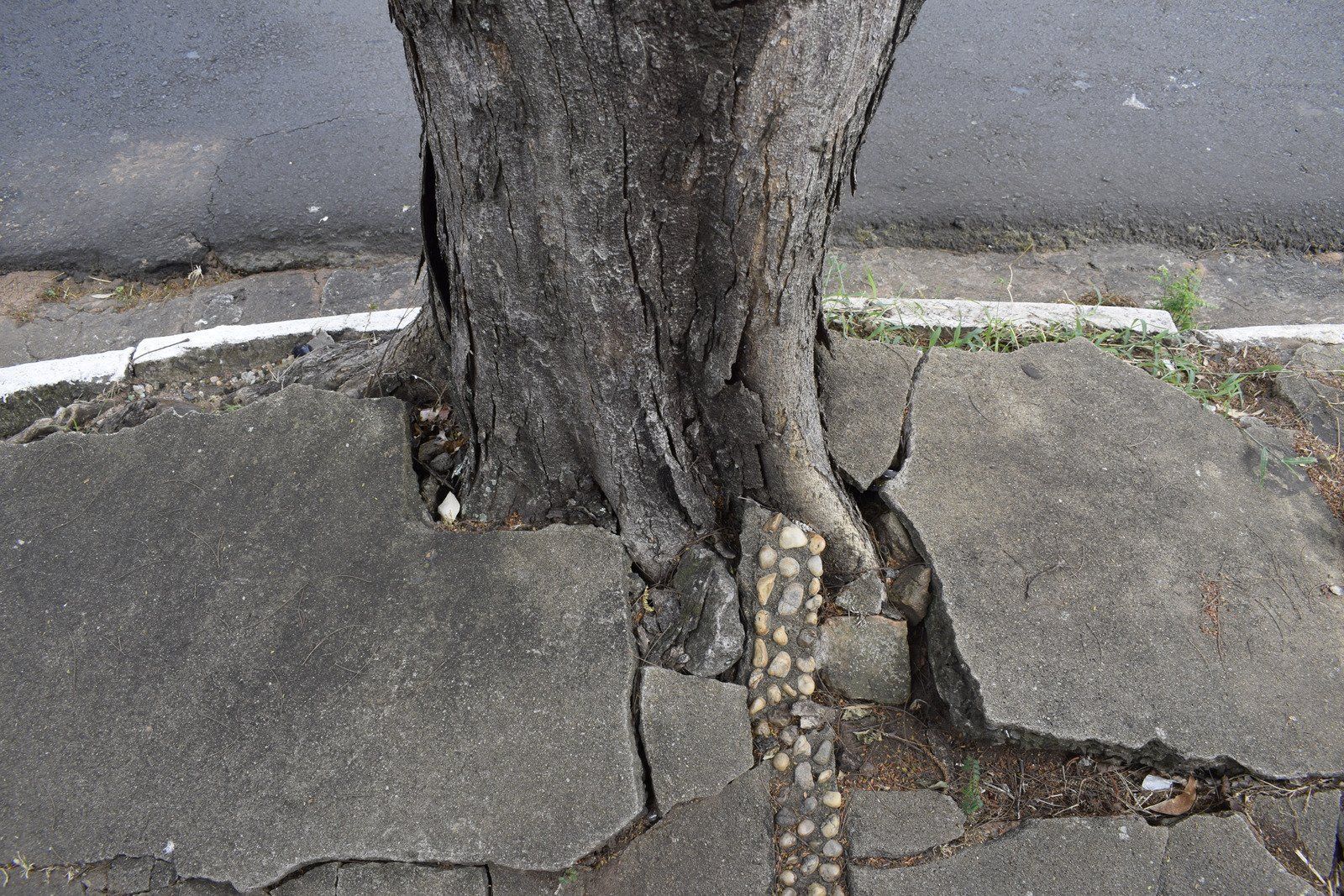
Excessive canopy growth often correlates with aggressive root expansion. While roots are not directly visible, they can disrupt soil structure, compete with other plants for nutrients, and even damage underground utilities or walkways, creating long-term maintenance challenges for property owners.
By managing above-ground growth, property owners can indirectly influence root behavior, maintaining healthier soil conditions and reducing the risk of damage to hardscape features. This balance supports sustainable landscaping and prevents costly underground repairs in the future.
Safety Risks and Liability Concerns
Falling Branch Hazards
One of the most serious dangers associated with overgrown branches is the risk of falling limbs. Dead or weakened branches can break unexpectedly, especially during storms or high winds. These falling branches can damage vehicles, outdoor furniture, and even cause personal injury, posing serious risks to occupants and visitors.
Regular inspections help identify weak or diseased branches before they become hazardous. Removing these branches proactively significantly reduces the risk of accidents. Preventive care also ensures compliance with safety standards and minimizes potential liability issues.
Power Line Interference
Branches growing near power lines present a major safety concern. Contact with electrical lines can lead to outages, fire hazards, and potential electrocution risks. This is particularly critical in areas prone to storms, where strong winds can push branches into power lines, increasing the likelihood of emergencies.
Maintaining safe clearance from utility lines is not only a safety measure but also often a regulatory requirement. Professional trimming ensures compliance while minimizing risk. It also helps maintain uninterrupted power supply and prevents costly service disruptions.
Pest Infestation and Disease Spread
Creating Pathways for Pests
Overgrown branches can act as bridges for pests such as rodents, ants, and insects, providing easy access to roofs and attic spaces. Once inside, these pests can cause extensive damage to insulation, wiring, and structural components, leading to expensive repairs and potential health concerns.
Keeping branches trimmed away from the home eliminates these access points and reduces the likelihood of infestations. This simple preventive step significantly improves overall property hygiene and reduces pest-related maintenance issues.
Increased Risk of Tree Disease
Dense, unmanaged canopies create an environment where moisture is trapped, increasing the likelihood of fungal growth and disease. Poor air circulation within the tree can weaken its structure and make it more susceptible to decay, ultimately shortening the tree’s lifespan and stability.
Pruning improves airflow and sunlight penetration, which are essential for maintaining tree health and preventing the spread of disease to nearby plants. Healthier trees contribute to a stronger, more resilient landscape environment overall.
Impact on Property Value and Aesthetics
Curb Appeal and Visual Balance
Overgrown trees can make a property appear neglected, negatively impacting curb appeal. Uneven growth, excessive shading, and cluttered branches can overshadow architectural features and diminish the overall visual harmony of the landscape, reducing its attractiveness to potential buyers or visitors.
Well-maintained trees enhance the aesthetic value of a property, creating a clean and inviting appearance that appeals to visitors and potential buyers. A balanced landscape also complements the property’s design and increases perceived value.
Long-Term Financial Implications
Neglecting tree maintenance can lead to costly repairs over time. From roof damage and pest control to landscape restoration, the financial impact of overgrown branches can quickly add up, placing unnecessary strain on long-term property maintenance budgets.
Preventive care, such as regular trimming and inspections, is a cost-effective way to avoid these expenses. Investing in proper tree maintenance not only protects the property but also contributes to long-term value retention and reduced unexpected repair costs.
Best Practices for Managing Overgrown Branches
Regular Inspection and Maintenance
Routine inspections are the foundation of effective tree management. Identifying potential issues early allows for timely intervention, preventing minor problems from escalating into major concerns that could impact property safety and long-term structural integrity.
Scheduling seasonal inspections ensures that trees remain healthy and structurally sound throughout the year. Consistent monitoring also helps detect disease, pest activity, and growth imbalances before they worsen significantly.
Strategic Pruning Techniques
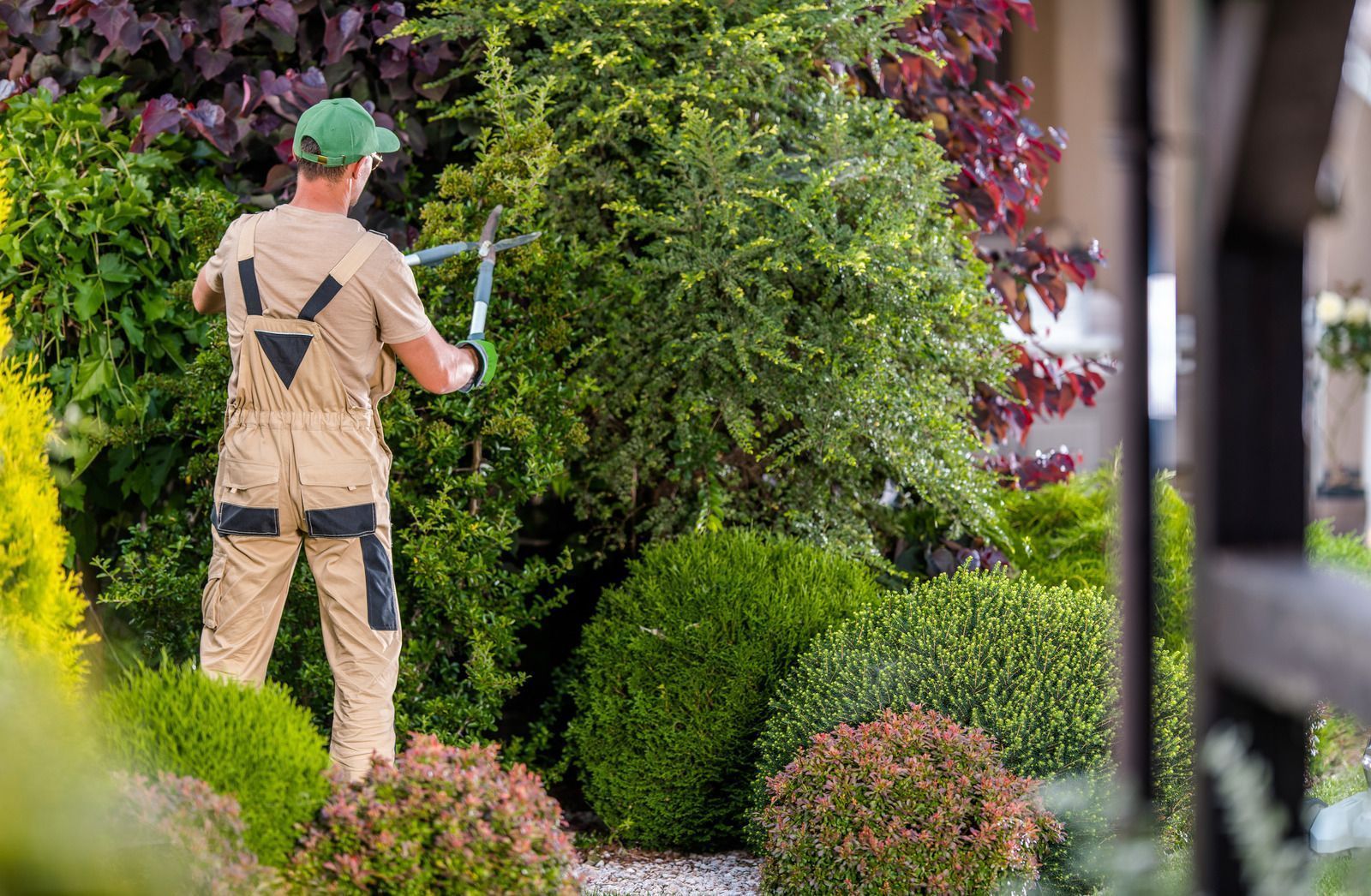
Proper pruning involves more than simply cutting back branches. It requires an understanding of tree biology and growth patterns to ensure that cuts are made correctly without harming the tree, preserving both its health and structural balance.
Techniques such as crown thinning, crown raising, and deadwood removal help maintain balance and reduce risk while promoting healthy growth. These methods also improve airflow, sunlight penetration, and overall tree stability.
Professional Expertise and Safety Measures
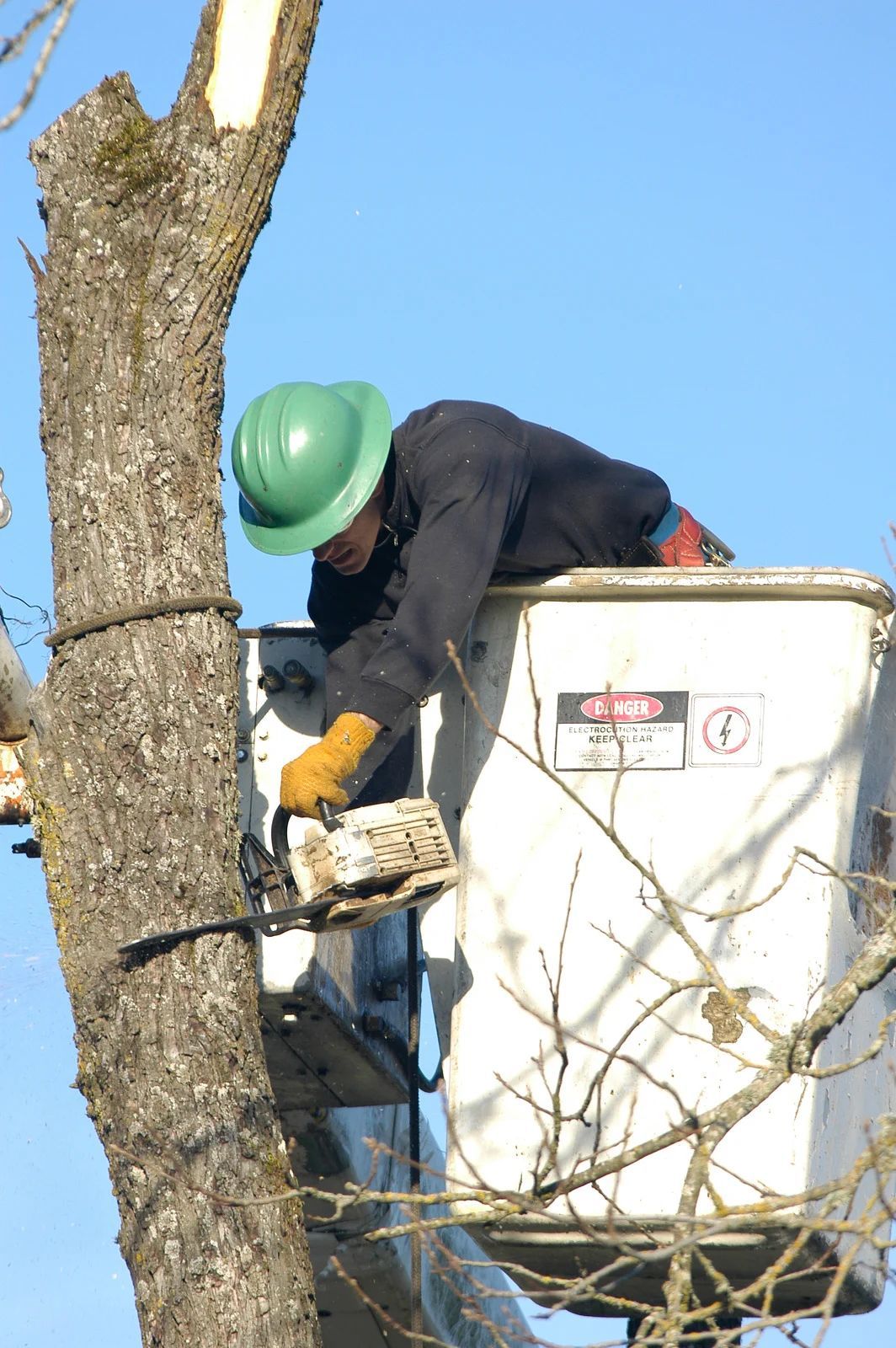
While some minor trimming can be handled independently, larger or more complex tasks should be performed by trained professionals. Working with trees, especially near structures or power lines, involves significant risk and requires specialized equipment and knowledge for safe execution.
Professional services ensure that trimming is done safely, efficiently, and in accordance with industry standards. This approach reduces liability risks and guarantees high-quality results that support long-term tree health and property protection.
Trusted Tree Care Experts Delivering Reliable Solutions
At Aspen Tree Service, LLC Portland, Oregon, we bring 28 years of hands-on experience in delivering reliable, high-quality tree care solutions. Our approach is rooted in precision, safety, and a deep understanding of how tree health directly impacts property integrity. We focus on identifying risks early, addressing overgrowth issues efficiently, and implementing proven techniques that protect both structures and landscapes.
Our commitment is to provide dependable service that prioritizes long-term results. From routine trimming to complex branch removal, we use industry best practices and advanced equipment to ensure every job is completed with accuracy and care. We understand the unique challenges that come with maintaining trees in residential and commercial environments, and we tailor our solutions to meet those specific needs.
With decades of experience, we have built a reputation for consistency, professionalism, and attention to detail. Our goal is to help property owners maintain safe, attractive, and well-managed outdoor spaces through expert tree care services that stand the test of time.