Why Regular Tree Trimming Boosts Tree Health
Trees are more than just aesthetic additions to landscapes; they play a critical role in maintaining environmental balance, providing shade, improving air quality, and enhancing property value. They also serve as natural habitats for wildlife and help reduce soil erosion, contributing to overall ecosystem health. However, like any living organism, trees require proper care to thrive, and neglecting their maintenance can have cascading negative effects on the surrounding environment. One of the most effective ways to maintain their health, longevity, and appearance is through regular trimming. Neglecting this essential practice can lead to structural weaknesses, increased susceptibility to pests and disease, and even dangerous hazards for homeowners and surrounding structures. For property managers and landscape professionals, understanding the long-term implications of tree care is critical for sustainable maintenance and safety.
Regular tree trimming is not merely a cosmetic procedure—it is a strategic intervention that ensures trees remain structurally sound and biologically healthy. Proper pruning encourages new growth, improves air circulation, and helps trees efficiently absorb sunlight and nutrients, while also reducing stress on older limbs. Additionally, removing dead or damaged branches prevents decay from spreading and mitigates the risk of falling limbs during storms, protecting both property and people. Trimming also allows for better light penetration and nutrient distribution, which strengthens the tree against disease, drought, and pest infestations. This blog explores the multifaceted benefits of regular tree trimming, highlights best practices, addresses common challenges, and provides actionable insights for anyone seeking to maximize tree health. By the end, readers will have a comprehensive understanding of why proactive tree maintenance is an investment in both safety, ecological well-being, and the long-term value of their property.
1. Enhancing Structural Integrity
Understanding Tree Anatomy
Every tree has a unique structure shaped by its species, age, and growing conditions. Branches, stems, and root systems work together to maintain stability. Over time, overcrowded branches or uneven growth can compromise structural integrity, leading to weak points prone to breakage. Regular trimming ensures branches are properly spaced, reducing the risk of fractures and splitting. Removing crossing or rubbing limbs allows the tree to allocate energy toward stronger, more resilient branches.
Preventing Weak or Dangerous Limbs
One of the primary reasons arborists recommend regular pruning is to prevent weak or hazardous limbs. Dead, dying, or diseased branches pose significant safety risks, especially during storms or high winds. By trimming these branches early, property damage and personal injury risks are substantially reduced. Moreover, selective trimming minimizes the chance of structural failure, ensuring the tree maintains a balanced canopy capable of withstanding environmental stressors.
Real-World Example
Consider a mature oak tree in a residential yard. Without periodic trimming, its lower branches may grow horizontally and interfere with utility lines or nearby structures. Routine pruning removes these hazardous limbs and guides growth upwards, creating a safer and more visually appealing tree.
2. Promoting Health and Longevity
Stimulating New Growth
Tree trimming is a key factor in promoting vigorous, healthy growth. By cutting back overgrown or diseased branches, a tree can redirect its resources to stronger, more productive limbs. Pruning encourages the development of new shoots, improving the tree's overall canopy density and foliage quality. Healthier branches mean more leaves for photosynthesis, which translates into better energy production and nutrient absorption.
Disease Prevention
Diseases such as cankers, blights, and fungal infections often enter through damaged or overcrowded branches. Regular trimming removes these entry points, reducing the likelihood of infection spreading throughout the tree. Additionally, trimming promotes airflow within the canopy, which decreases moisture buildup—a major factor in fungal growth. Trees with properly maintained canopies are far more resistant to common pathogens.
Pest Management
Insects and other pests frequently target weakened or decaying branches. Trimming deadwood and thinning congested areas disrupts habitats for harmful insects while enabling beneficial species to flourish. By maintaining a healthy canopy, trees naturally resist infestations that could otherwise compromise their vitality and longevity.
3. Maximizing Sunlight and Nutrient Access
Optimizing Light Penetration
Sunlight is critical for photosynthesis, the process by which trees convert light into energy. Overgrown branches can create dense canopies that block sunlight from reaching lower limbs or the inner core of the tree. Strategic trimming opens these areas, allowing sunlight to penetrate deeper and support all parts of the tree. This balanced exposure ensures uniform growth and reduces the risk of weak, elongated branches that develop in shaded areas.
Improving Nutrient Distribution
Tree roots absorb water and nutrients from the soil, which are then distributed throughout the organism. When trees are overcrowded with excessive or poorly positioned branches, nutrient distribution can become inefficient. Trimming reduces unnecessary competition among limbs, allowing essential nutrients to reach healthier branches. This process strengthens the overall health of the tree, improves foliage color, and enhances resistance to environmental stressors.
Case Study
A maple tree in a city park, if left untrimmed, may grow dense clusters of branches that shade lower limbs and create weak growth points. After professional trimming, the tree’s interior canopy receives more sunlight, leading to more robust leaf growth and reduced susceptibility to winter dieback.
4. Enhancing Aesthetic Appeal and Property Value
Shaping and Design
While health benefits are paramount, the visual impact of a well-maintained tree cannot be overstated. Regular trimming allows homeowners and landscapers to shape trees for maximum aesthetic appeal. Symmetrical canopies, properly spaced branches, and removal of unsightly deadwood all contribute to a clean, attractive appearance. Landscaped properties with well-maintained trees consistently show higher curb appeal and can positively influence property values.
Mitigating Overgrowth Issues
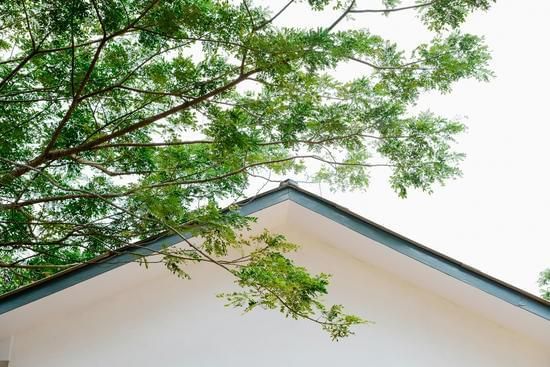
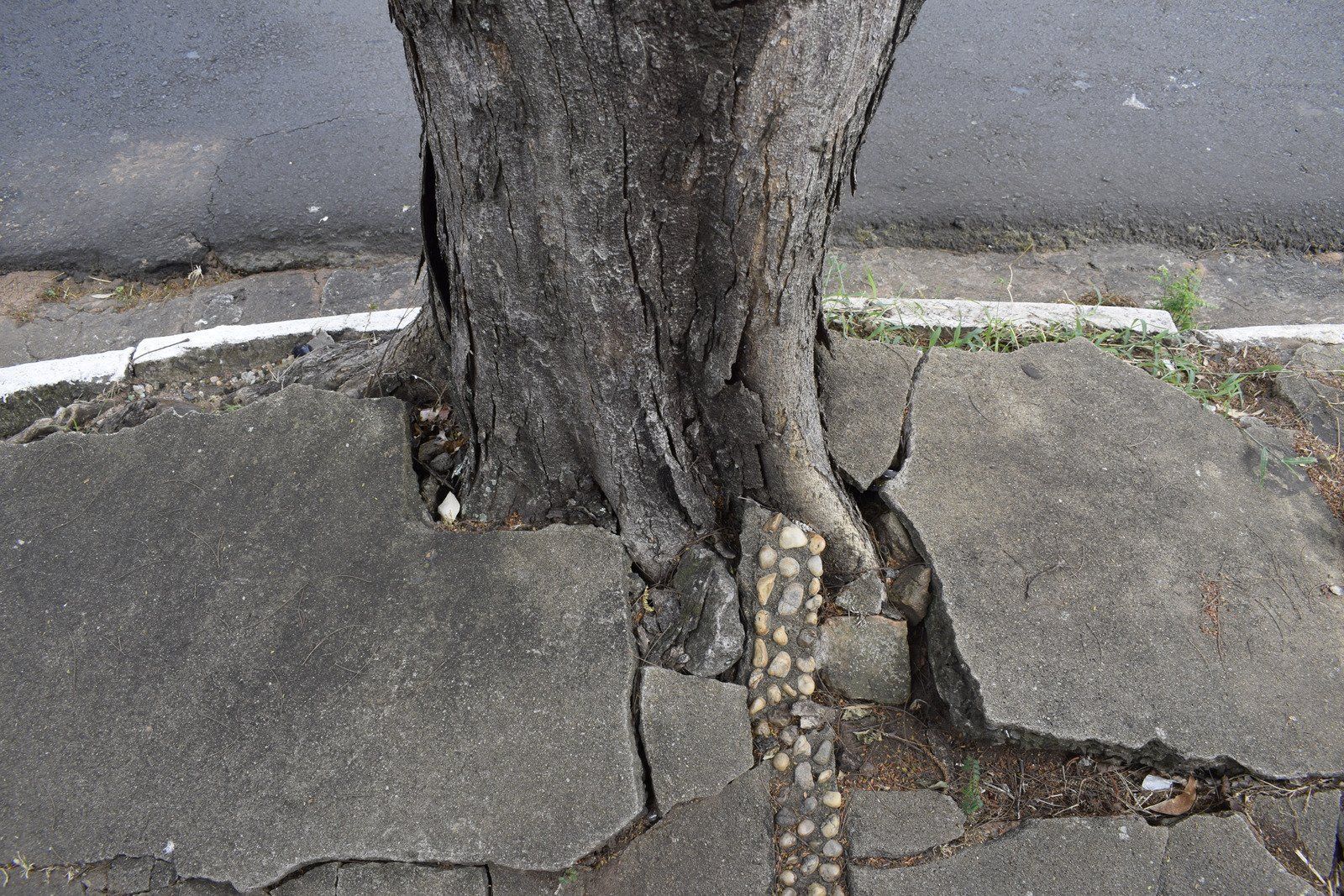
Uncontrolled growth can create practical issues beyond aesthetics. Branches may interfere with buildings, sidewalks, or power lines. Trimming prevents encroachment, reduces liability risks, and maintains the usability of surrounding spaces. A carefully pruned tree can integrate seamlessly with architectural features and other landscape elements, creating a harmonious environment that is both functional and visually pleasing.
Seasonal Considerations
Certain trimming practices also prepare trees for seasonal changes. Removing weak or overextended branches before winter reduces storm damage risk, while spring pruning encourages fresh growth and flowering in ornamental species. Timely trimming enhances both appearance and health throughout the year.
5. Best Practices for Tree Trimming
Timing and Frequency
The optimal timing for tree trimming depends on species, climate, and growth rate. Many deciduous trees benefit from late winter or early spring pruning before new growth begins, while flowering trees may require post-bloom trimming. Over-trimming or improper timing can stress the tree and reduce its natural resilience. Consulting with a certified arborist ensures trimming schedules align with the tree’s growth cycle for maximum benefit.
Proper Technique
Correct trimming technique is crucial. Cuts should be made at branch collars or natural junctions, avoiding flush cuts that damage bark and expose the tree to infection. Tools must be clean and sharp to minimize trauma. Thinning and selective pruning are generally preferred over topping, which can severely weaken trees and compromise their health.
Professional Consultation
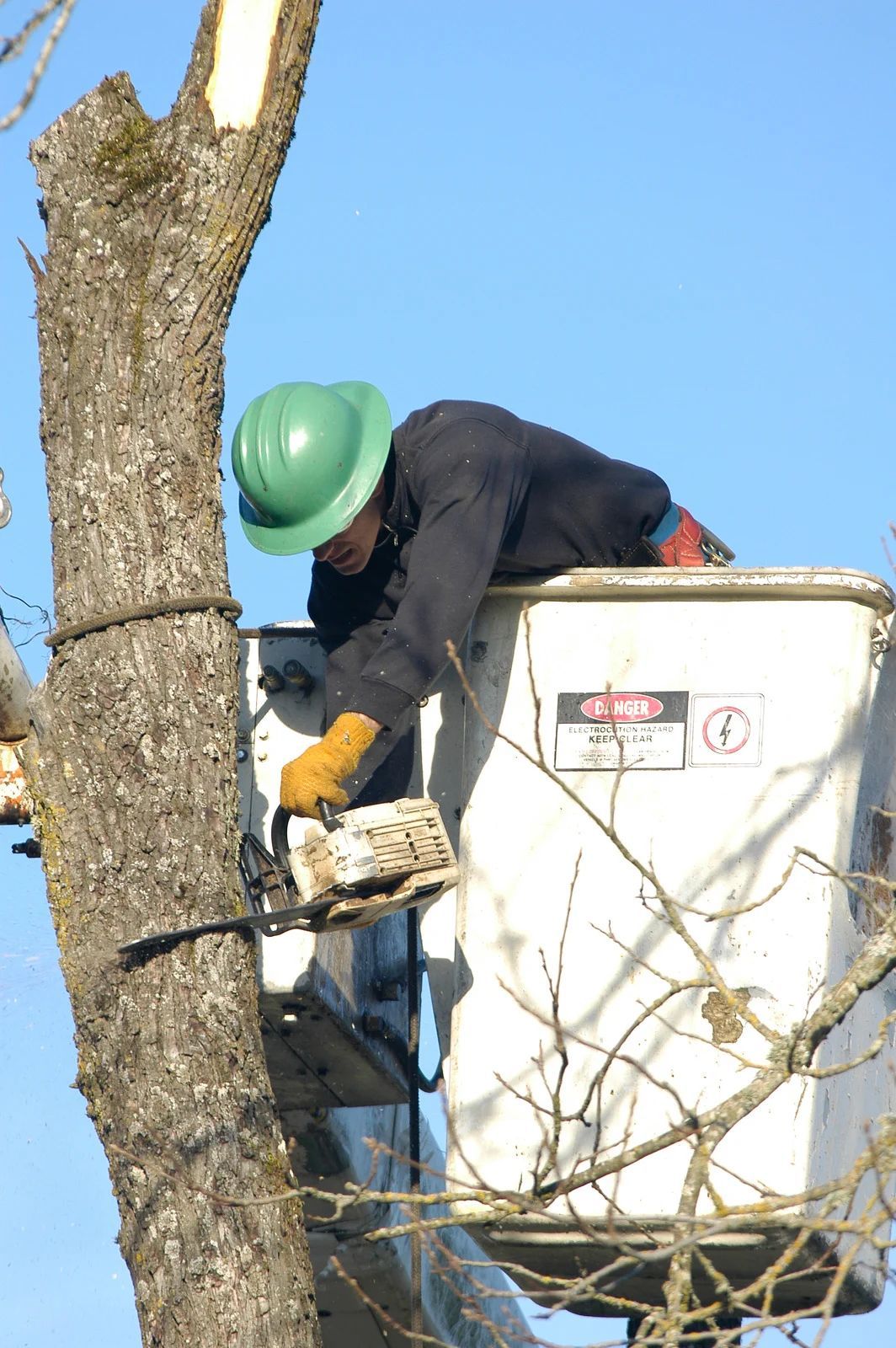
While minor trimming can be performed by homeowners, larger or more complex trees often require professional expertise. Certified arborists assess tree health, structure, and environmental factors to determine the safest and most effective approach. Professionals also mitigate risks associated with climbing, heavy limbs, or proximity to power lines, ensuring both safety and optimal tree outcomes.
6. Challenges and Considerations
Risk of Improper Trimming
Incorrect trimming can lead to unintended consequences, including poor growth patterns, increased disease susceptibility, and structural instability. Over-pruning can reduce photosynthetic capacity, while leaving too many damaged or diseased branches can perpetuate health issues. Homeowners must balance intervention with care to avoid long-term damage.
Environmental and Seasonal Factors
Climate and environmental stressors influence trimming decisions. In regions prone to heavy snowfall, windstorms, or drought, certain trimming practices may be more beneficial than others. Understanding local conditions ensures that trimming contributes positively to tree health without creating vulnerabilities.
Long-Term Planning
Tree maintenance is not a one-time activity—it requires long-term planning and consistent care. Establishing a trimming schedule, monitoring growth patterns, and addressing issues early can prevent major problems and extend the life of trees by decades. Long-term strategies also allow for proactive rather than reactive care, reducing costs and hazards over time.
Certified Arborists Delivering Trusted Tree Maintenance Solutions
Regular tree trimming is a cornerstone of proper arboricultural care, offering a multitude of benefits that extend from structural integrity to aesthetic appeal. By removing dead or diseased branches, promoting new growth, optimizing sunlight and nutrient access, and enhancing safety, homeowners and property managers can significantly improve the health and longevity of their trees. Furthermore, trimming provides practical advantages, including better property value, reduced hazards, and improved visual harmony in landscaping. Implementing best practices—proper timing, professional techniques, and long-term maintenance planning—ensures that trees remain resilient against environmental stressors and biological threats.
For residents of Portland, Oregon,Aspen Tree Service, LLC
is a trusted authority in tree care, with 31 years of experience delivering exceptional results. Our certified arborists specialize in strategic trimming, pruning, and tree health management, combining decades of hands-on expertise with advanced knowledge of species-specific care. We understand the balance between safety, aesthetics, and ecological responsibility, providing tailored solutions for every tree. Whether you need preventive trimming, structural assessment, or emergency care, Aspen Tree Service ensures your trees thrive, remain safe, and enhance the beauty of your property for years to come.