
Storm Damage Cleanup: What Portland Homeowners Need to Know

12 September 2025

Portland’s natural beauty comes with its fair share of unpredictable weather, and when storms roll through, they often leave a trail of fallen branches, uprooted trees, and debris in their wake. From heavy rainfall and strong winds to ice storms in colder months, the aftermath can pose safety hazards and create property damage.

In addition to compromising tree health, storms can damage roofs, driveways, and fences, leaving homeowners overwhelmed. Quick action and proper cleanup are essential to restore safety and aesthetics. Many residents are unsure where to start or whom to call. That’s why understanding the essentials of storm damage cleanup is crucial for every Portland homeowner.

Key Takeaways

  • Put safety first: stay away from downed power lines, unstable trees, and hanging limbs.
  • Inspect trees and structures for damage, and photograph it for insurance claims.
  • Homeowners can handle small debris, but uprooted or split trees should be left to licensed professionals.
  • Use cleanup as a chance to prune, remove weak limbs, and check tree health before the next storm.
  • Hire a licensed, insured tree service with storm-response experience.

1. Prioritize Safety First

After a storm, safety should always come first. Stay away from downed power lines, unstable trees, or hanging limbs. These can pose serious hazards.

Safety Note

Do not attempt to remove large or hanging branches yourself, especially if they're near electrical lines. Instead, call professionals trained in storm cleanup who have the equipment and expertise to handle dangerous situations safely. It’s also wise to keep children and pets indoors until the area has been thoroughly assessed.

After a storm, safety should always come first. Stay away from downed power lines, unstable trees, or hanging limbs. These can pose serious hazards. Do not attempt to remove large or hanging branches yourself, especially if they're near electrical lines. Instead, call professionals trained in storm cleanup who have the equipment and expertise to handle dangerous situations safely. It’s also wise to keep children and pets indoors until the area has been thoroughly assessed.

2. Assess the Damage

A visual inspection of your property is the next step. Look for damaged trees, leaning trunks, broken branches, or root exposure. Check for trees that may have shifted positions—these can fall later if not addressed promptly. Also, inspect structures like fences, sheds, or roofs for signs of impact or fallen debris.

Learn more in our guide on how to tell if your tree is a hazard.

Pro Tip

Taking photos of the damage can be helpful for insurance claims and guiding professional cleanup teams.

A visual inspection of your property is the next step. Look for damaged trees, leaning trunks, broken branches, or root exposure. Check for trees that may have shifted positions—these can fall later if not addressed promptly. Also, inspect structures like fences, sheds, or roofs for signs of impact or fallen debris. Taking photos of the damage can be helpful for insurance claims and guiding professional cleanup teams.

3. Remove Debris and Damaged Trees

Smaller debris, such as twigs, leaves, and manageable branches, can often be cleaned up by homeowners. However, larger tree removals, especially those involving uprooted or split trees, should be left to licensed professionals.

They’ll safely cut down unstable trees, grind stumps if needed, and ensure no further damage is caused in the process. Proper removal also helps protect nearby healthy trees from potential diseases or pest infestations.

Homeowner can usually handle Leave to licensed professionals
Twigs and leaves Uprooted trees
Manageable branches Split trees and unstable trees
Small debris around the yard Large or hanging branches, especially near electrical lines

Smaller debris, such as twigs, leaves, and manageable branches, can often be cleaned up by homeowners. However, larger tree removals, especially those involving uprooted or split trees, should be left to licensed professionals. They’ll safely cut down unstable trees, grind stumps if needed, and ensure no further damage is caused in the process. Proper removal also helps protect nearby healthy trees from potential diseases or pest infestations.

4. Prevent Future Damage

Cleanup is also a chance to think proactively. Removing weakened or diseased limbs, pruning overgrown branches, and checking tree health can help reduce future storm risks. Preventative maintenance from a certified tree service can save time and costs down the road. In addition, routine inspections can help identify potential hazards before the next storm strikes.

Cleanup is also a chance to think proactively. Removing weakened or diseased limbs, pruning overgrown branches, and checking tree health can help reduce future storm risks. Preventative maintenance from a certified tree service can save time and costs down the road. In addition, routine inspections can help identify potential hazards before the next storm strikes.

5. Choose a Reliable Tree Service

Always work with a tree care company that is licensed, insured, and experienced in storm response. They should provide thorough assessments, honest quotes, and efficient cleanup, restoring both the safety and curb appeal of your property. Reading reviews and checking credentials can also ensure you're hiring a trusted and qualified service provider.

Always work with a tree care company that is licensed, insured, and experienced in storm response. They should provide thorough assessments, honest quotes, and efficient cleanup, restoring both the safety and curb appeal of your property. Reading reviews and checking credentials can also ensure you're hiring a trusted and qualified service provider.

Frequently Asked Questions

What should I do first after a storm?

Put safety first. Stay away from downed power lines, unstable trees, and hanging limbs, and keep children and pets indoors until the area has been thoroughly assessed.

Can I clean up storm debris myself?

Smaller debris such as twigs, leaves, and manageable branches can often be cleaned up by homeowners. Larger tree removals, especially uprooted or split trees, should be left to licensed professionals.

How can I reduce storm damage in the future?

Remove weakened or diseased limbs, prune overgrown branches, check tree health, and schedule routine inspections to catch potential hazards before the next storm strikes.

Restoring Peace of Mind After the Storm

When the skies clear and the storm passes, it's comforting to know help is available. Aspen Tree Service, LLC has been serving Portland, OR, withexpert storm damage cleanupand tree care services for over 31 years. Our experienced team understands the local climate and how to respond swiftly and safely to storm-related issues.

Whether it's emergency tree removal, debris cleanup, or proactive tree maintenance, we’re here to restore your property and peace of mind. Trust Aspen Tree Service, LLC—your reliable partner in keeping Portland homes safe, clean, and beautiful after every storm.

Need Storm Damage Cleanup in Portland?

Family owned for 31 years · Licensed, bonded & insured (CCB# 204268) · Free estimates · Senior & military discounts

Get a Free EstimateCall 503-477-4634

Portland’s natural beauty comes with its fair share of unpredictable weather, and when storms roll through, they often leave a trail of fallen branches, uprooted trees, and debris in their wake. From heavy rainfall and strong winds to ice storms in colder months, the aftermath can pose safety hazards and create property damage.

In addition to compromising tree health, storms can damage roofs, driveways, and fences, leaving homeowners overwhelmed. Quick action and proper cleanup are essential to restore safety and aesthetics. Many residents are unsure where to start or whom to call. That’s why understanding the essentials of storm damage cleanup is crucial for every Portland homeowner.

Key Takeaways

  • Put safety first: stay away from downed power lines, unstable trees, and hanging limbs.
  • Inspect trees and structures for damage, and photograph it for insurance claims.
  • Homeowners can handle small debris, but uprooted or split trees should be left to licensed professionals.
  • Use cleanup as a chance to prune, remove weak limbs, and check tree health before the next storm.
  • Hire a licensed, insured tree service with storm-response experience.

1. Prioritize Safety First

After a storm, safety should always come first. Stay away from downed power lines, unstable trees, or hanging limbs. These can pose serious hazards.

Safety Note

Do not attempt to remove large or hanging branches yourself, especially if they're near electrical lines. Instead, call professionals trained in storm cleanup who have the equipment and expertise to handle dangerous situations safely. It’s also wise to keep children and pets indoors until the area has been thoroughly assessed.

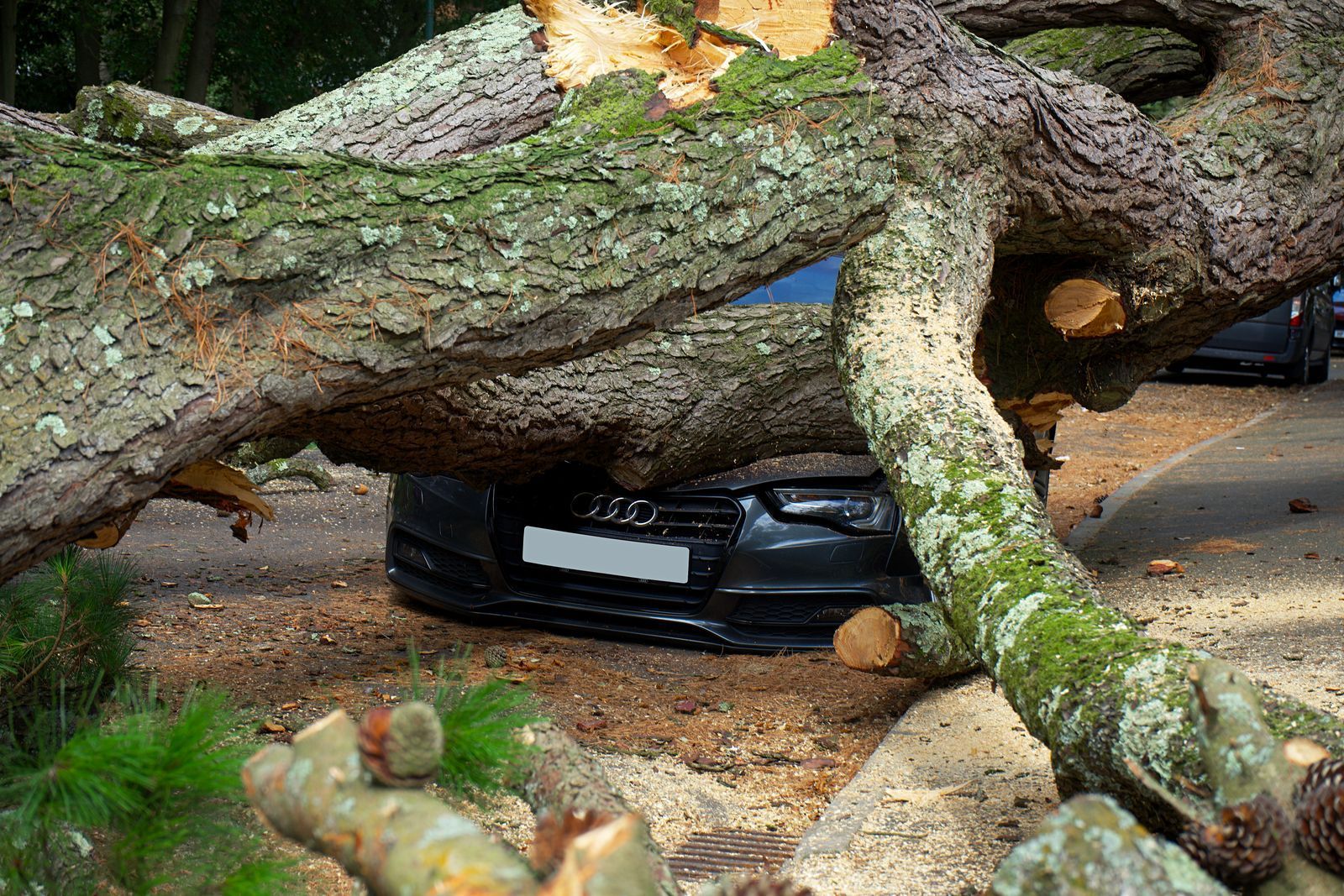
Large storm-felled tree lying on top of a parked car

2. Assess the Damage

A visual inspection of your property is the next step. Look for damaged trees, leaning trunks, broken branches, or root exposure. Check for trees that may have shifted positions—these can fall later if not addressed promptly. Also, inspect structures like fences, sheds, or roofs for signs of impact or fallen debris.

Learn more in our guide on how to tell if your tree is a hazard.

Pro Tip

Taking photos of the damage can be helpful for insurance claims and guiding professional cleanup teams.

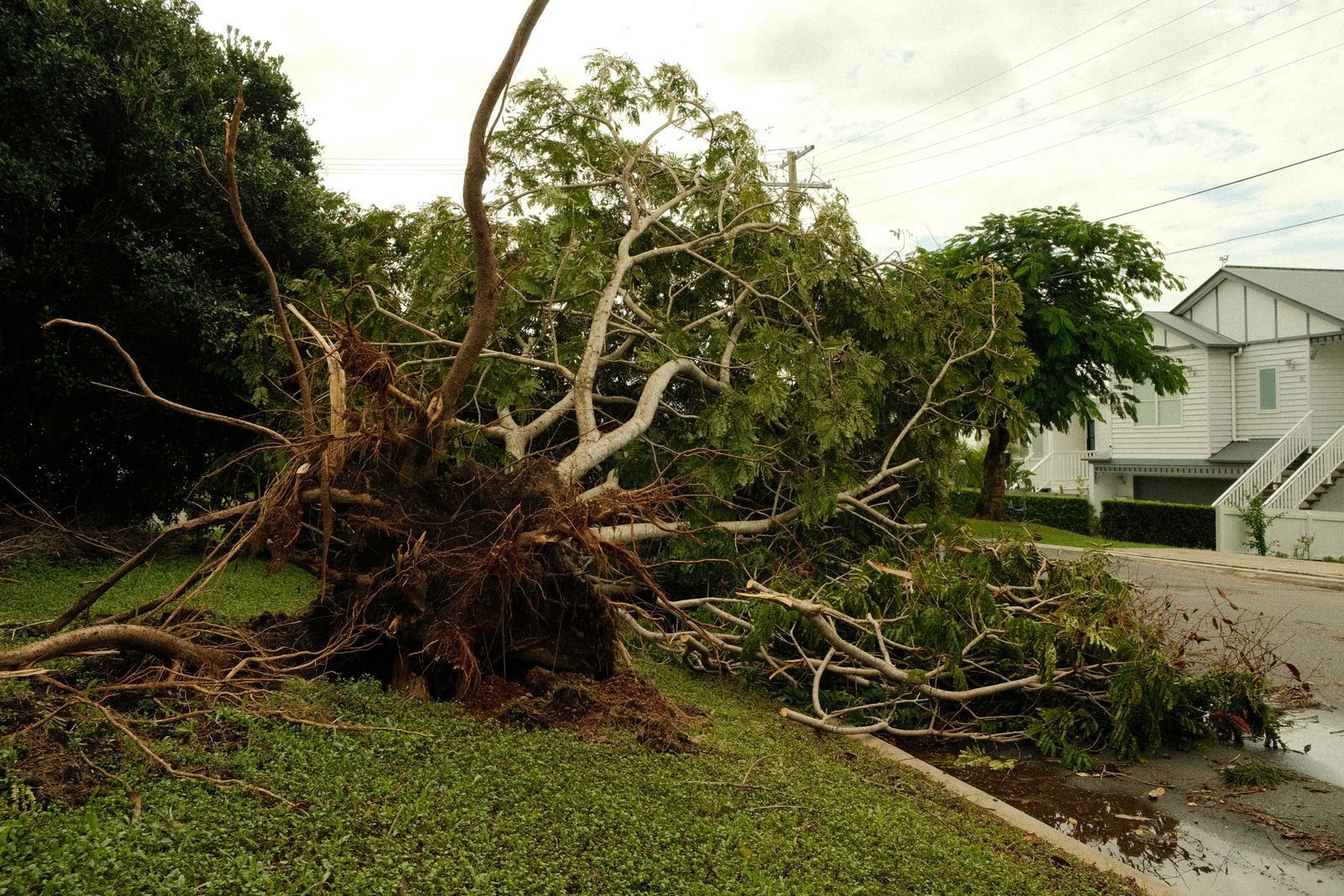
Uprooted tree lying in a yard next to a house after a violent storm

3. Remove Debris and Damaged Trees

Smaller debris, such as twigs, leaves, and manageable branches, can often be cleaned up by homeowners. However, larger tree removals, especially those involving uprooted or split trees, should be left to licensed professionals.

They’ll safely cut down unstable trees, grind stumps if needed, and ensure no further damage is caused in the process. Proper removal also helps protect nearby healthy trees from potential diseases or pest infestations.

Homeowner can usually handle Leave to licensed professionals
Twigs and leaves Uprooted trees
Manageable branches Split trees and unstable trees
Small debris around the yard Large or hanging branches, especially near electrical lines

4. Prevent Future Damage

Cleanup is also a chance to think proactively. Removing weakened or diseased limbs, pruning overgrown branches, and checking tree health can help reduce future storm risks. Preventative maintenance from a certified tree service can save time and costs down the road. In addition, routine inspections can help identify potential hazards before the next storm strikes.

5. Choose a Reliable Tree Service

Always work with a tree care company that is licensed, insured, and experienced in storm response. They should provide thorough assessments, honest quotes, and efficient cleanup, restoring both the safety and curb appeal of your property. Reading reviews and checking credentials can also ensure you're hiring a trusted and qualified service provider.

Frequently Asked Questions

What should I do first after a storm?

Put safety first. Stay away from downed power lines, unstable trees, and hanging limbs, and keep children and pets indoors until the area has been thoroughly assessed.

Can I clean up storm debris myself?

Smaller debris such as twigs, leaves, and manageable branches can often be cleaned up by homeowners. Larger tree removals, especially uprooted or split trees, should be left to licensed professionals.

How can I reduce storm damage in the future?

Remove weakened or diseased limbs, prune overgrown branches, check tree health, and schedule routine inspections to catch potential hazards before the next storm strikes.

Restoring Peace of Mind After the Storm

When the skies clear and the storm passes, it's comforting to know help is available. Aspen Tree Service, LLC has been serving Portland, OR, with expert storm damage cleanup and tree care services for over 31 years. Our experienced team understands the local climate and how to respond swiftly and safely to storm-related issues.

Whether it's emergency tree removal, debris cleanup, or proactive tree maintenance, we’re here to restore your property and peace of mind. Trust Aspen Tree Service, LLC—your reliable partner in keeping Portland homes safe, clean, and beautiful after every storm.

Need Storm Damage Cleanup in Portland?

Family owned for 31 years · Licensed, bonded & insured (CCB# 204268) · Free estimates · Senior & military discounts

Recent Posts

Tree branches over a white house roof with a green trim against a bright sky
14 April 2026
Overgrown tree branches can damage roofs, siding, gutters, power lines and landscaping. Learn the warning signs and when to call a Portland tree service.
Gardener in tan uniform trimming a large green hedge in a landscaped garden
18 March 2026
Regular tree trimming strengthens structure, prevents disease and pests, and improves light and nutrient flow. Learn best practices for healthier trees.
Worker in a green hard hat operating a chainsaw from a bucket lift beside a tree trunk
9 February 2026
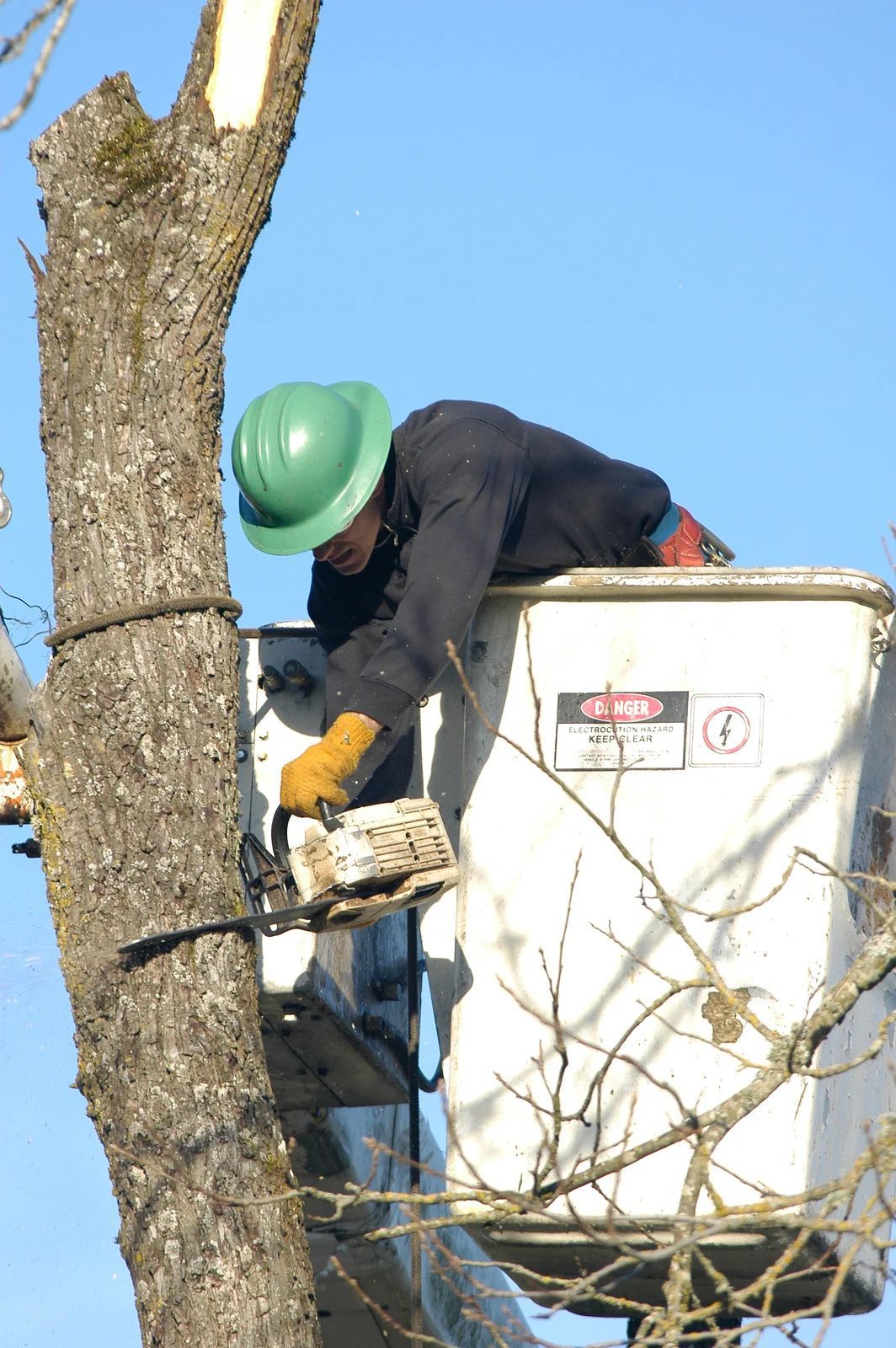
When tree removal is necessary in Portland, how professionals do it safely, and what to expect from assessment through cleanup and stump grinding.
Tree trunk growing through cracked sidewalk by a curb
8 January 2026
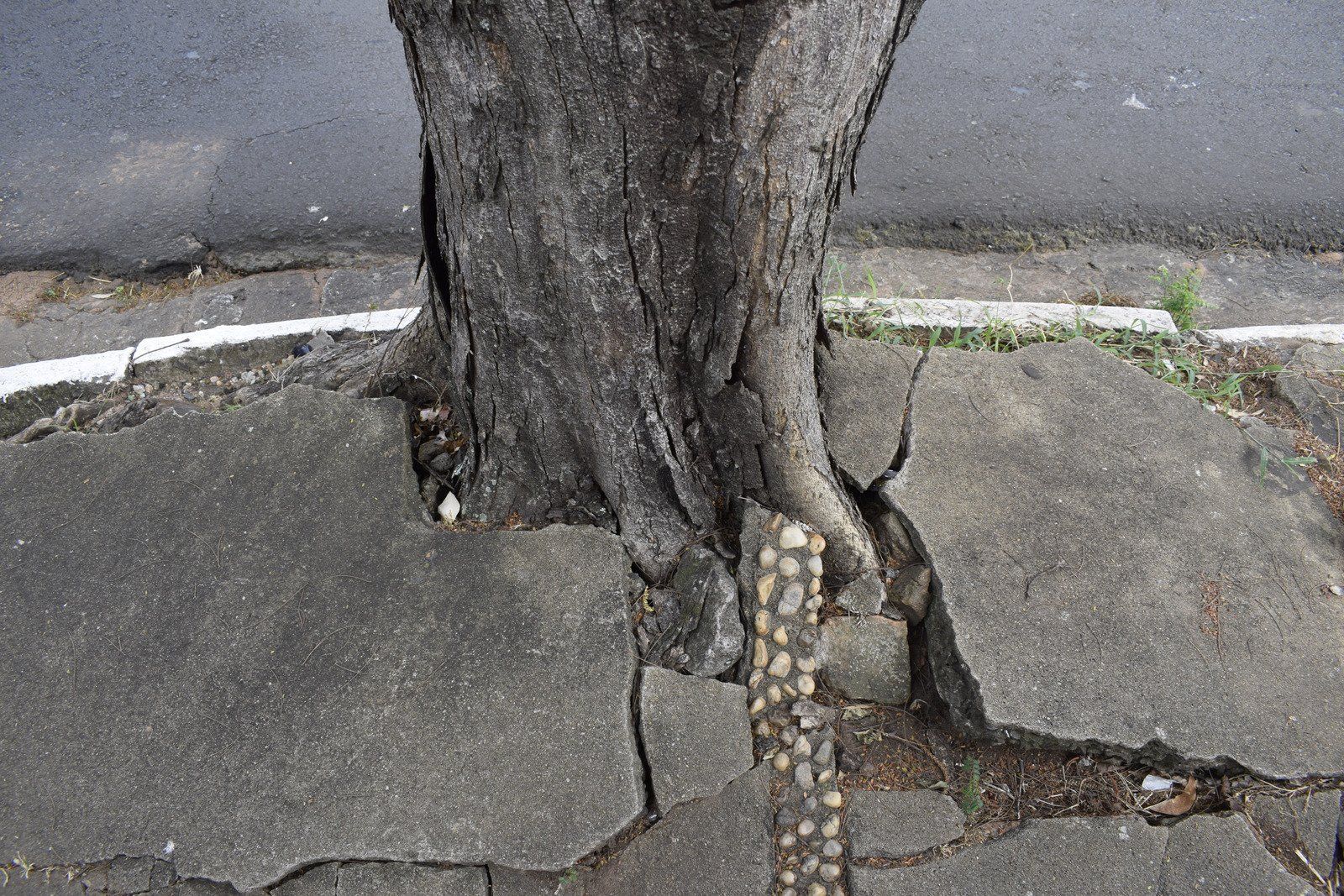
How tree roots lift sidewalks and damage foundations in Portland neighborhoods, the warning signs to watch for, and practical ways to prevent damage.
Pile of branches and leaves in a pine forest with tall straight trunks.
2 January 2026
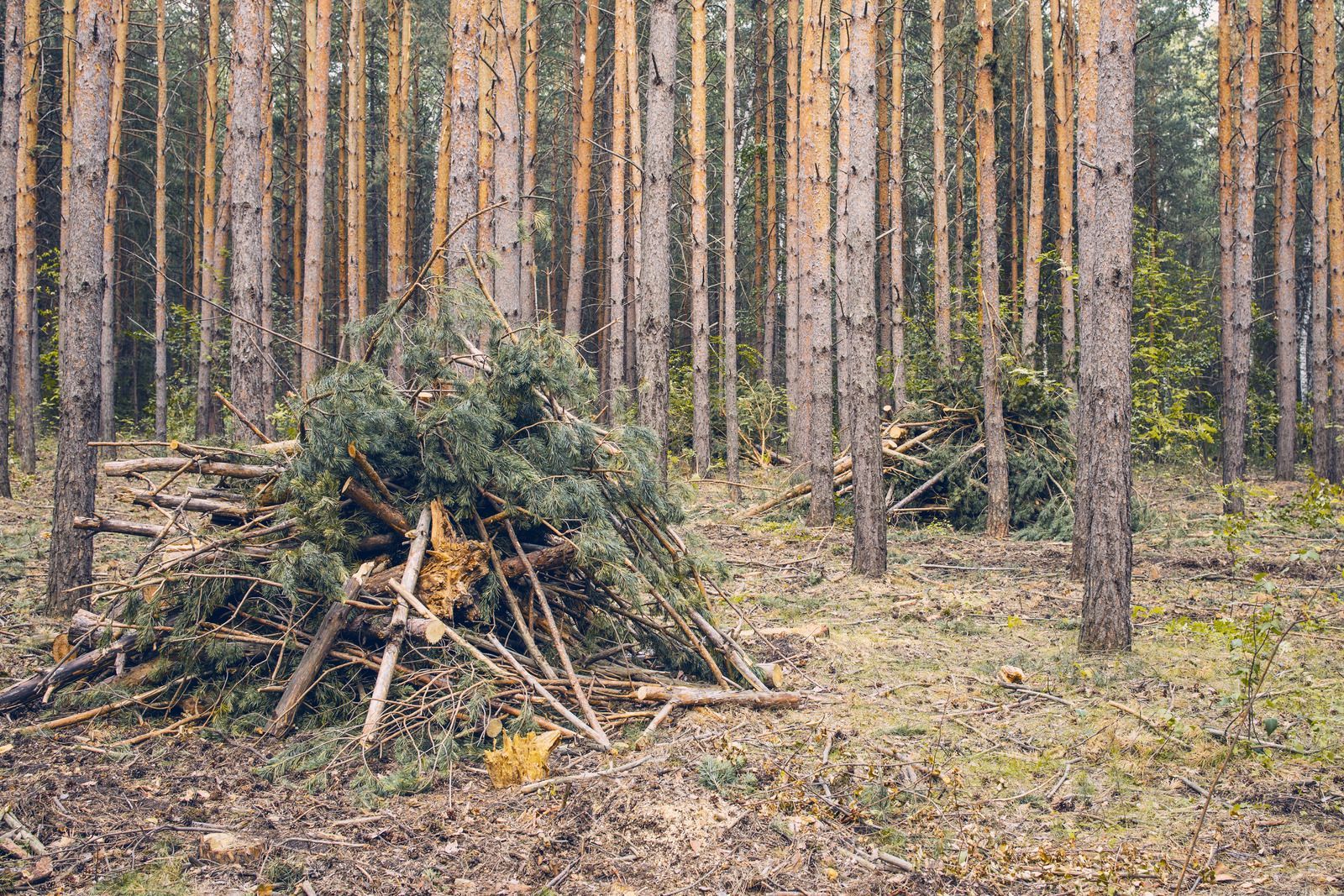
Tree thinning in Happy Valley, OR removes unwanted branches to let in light, reduce wind load and help trees grow stronger and safer over time.
Yellow wood chipper blowing mulch onto the ground beside a tree and brush pile.
19 December 2025
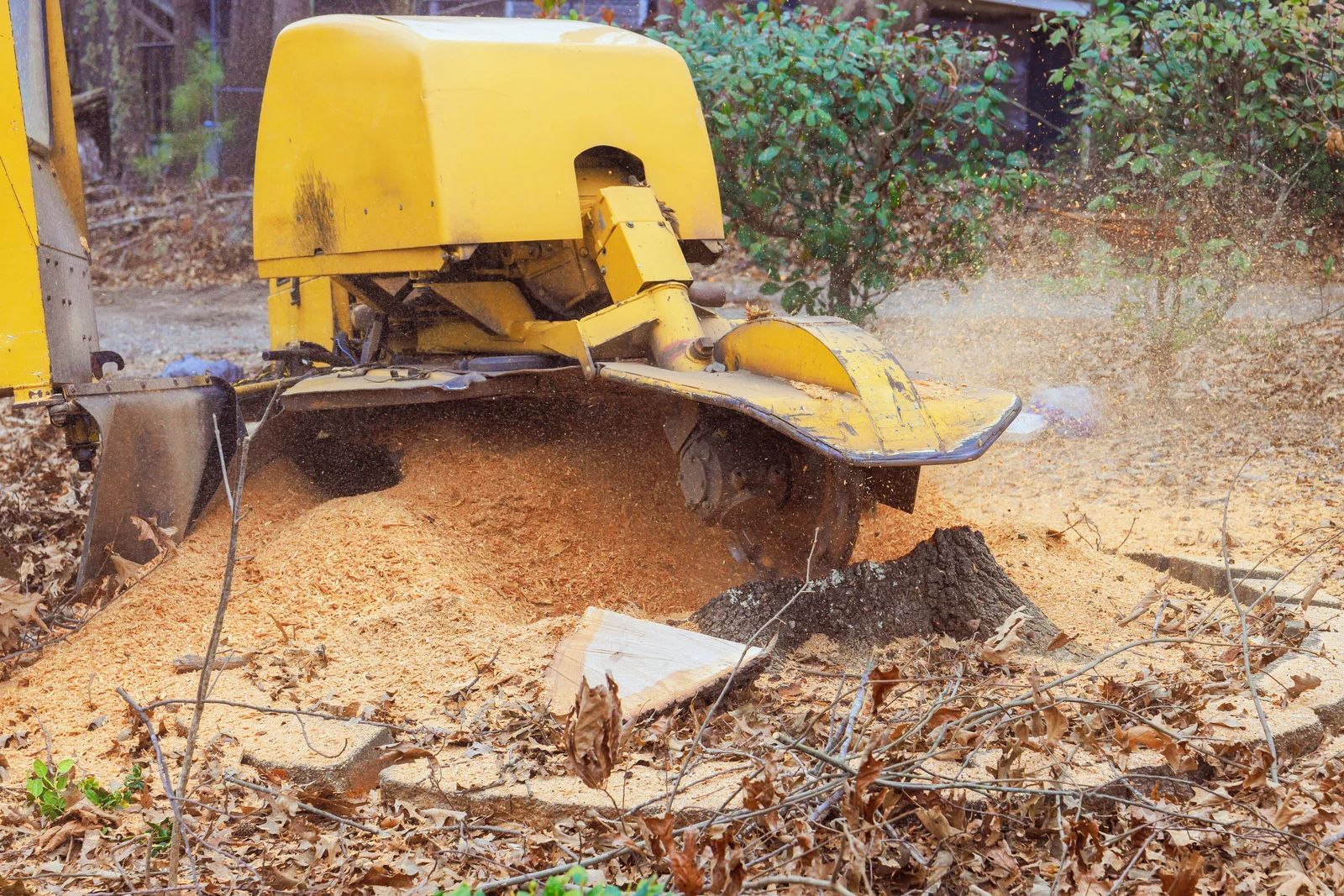
Compare stump grinding and full stump removal for Portland yards: cost, time, yard impact and replanting, so you can choose the right option.
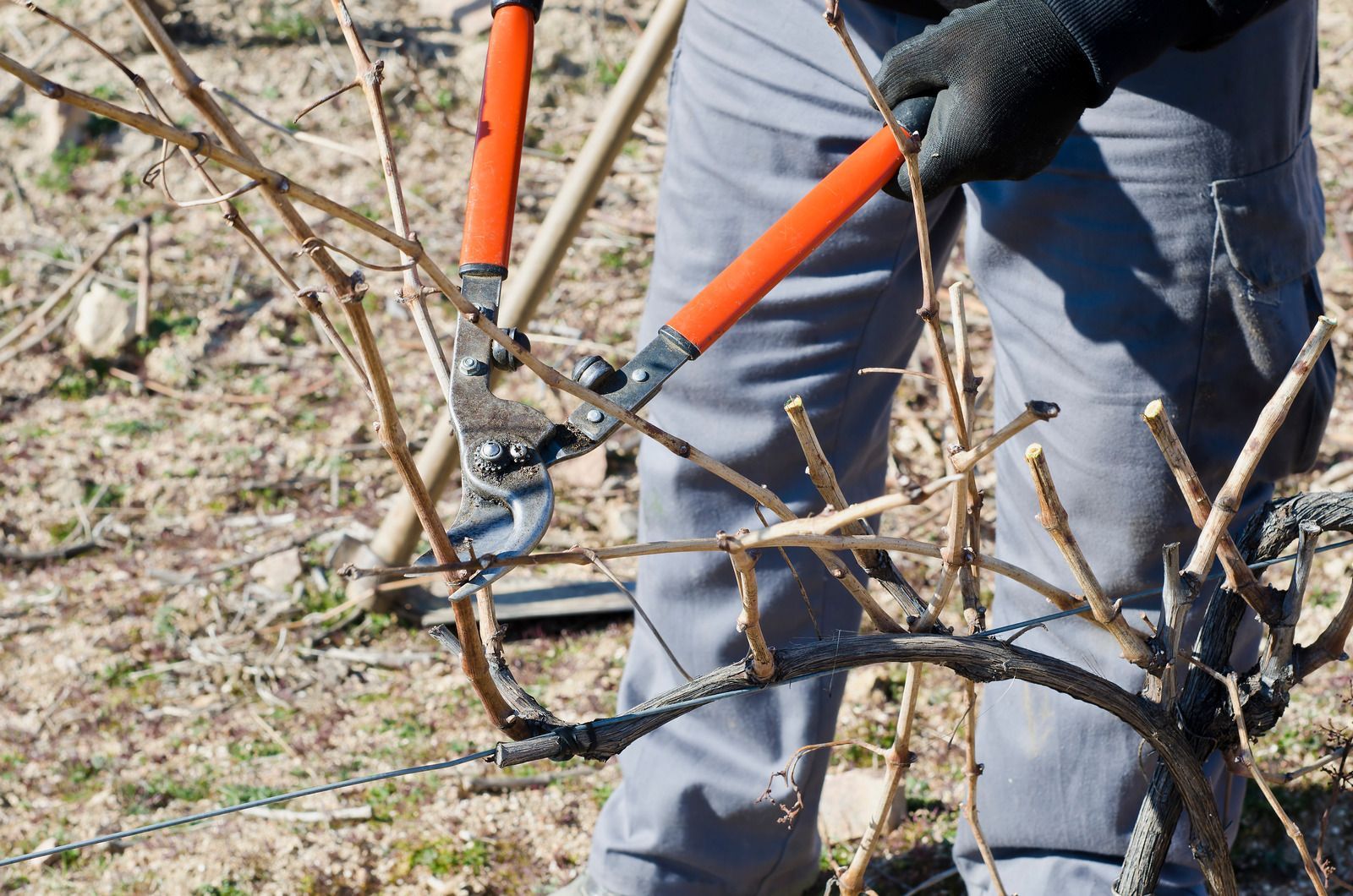
Gloved person pruning vine branches with orange-handled loppers in a vineyard
1 December 2025
Tree pruning in Happy Valley, OR removes dead, decayed and overgrown branches so your trees grow stronger, safer and healthier year-round.
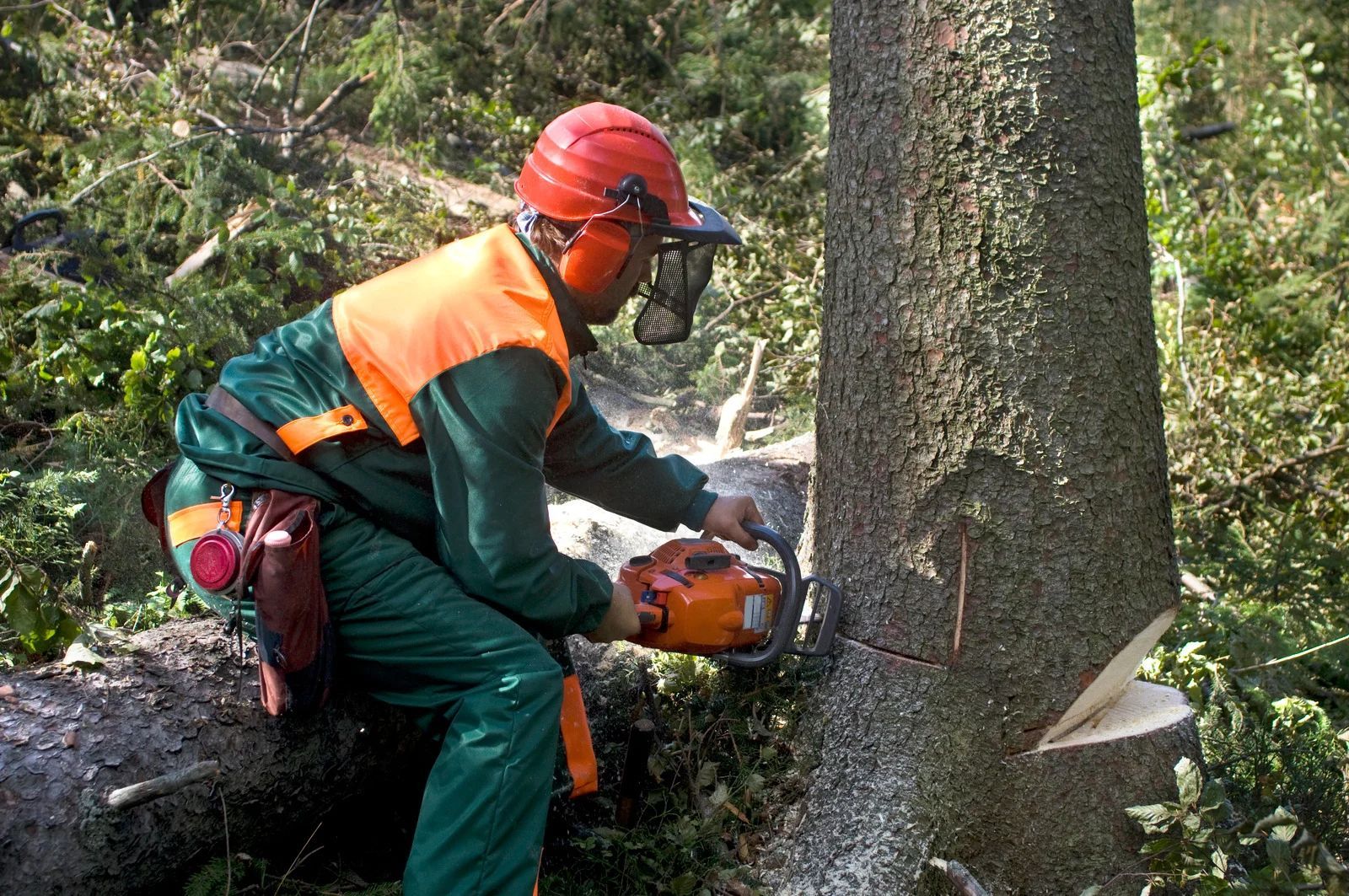
Worker in orange safety gear using a chainsaw to cut a tree trunk in a forest.
13 November 2025
What Portland homeowners need to know about tree removal permits, Urban Forestry rules, inspections and replanting requirements before cutting.
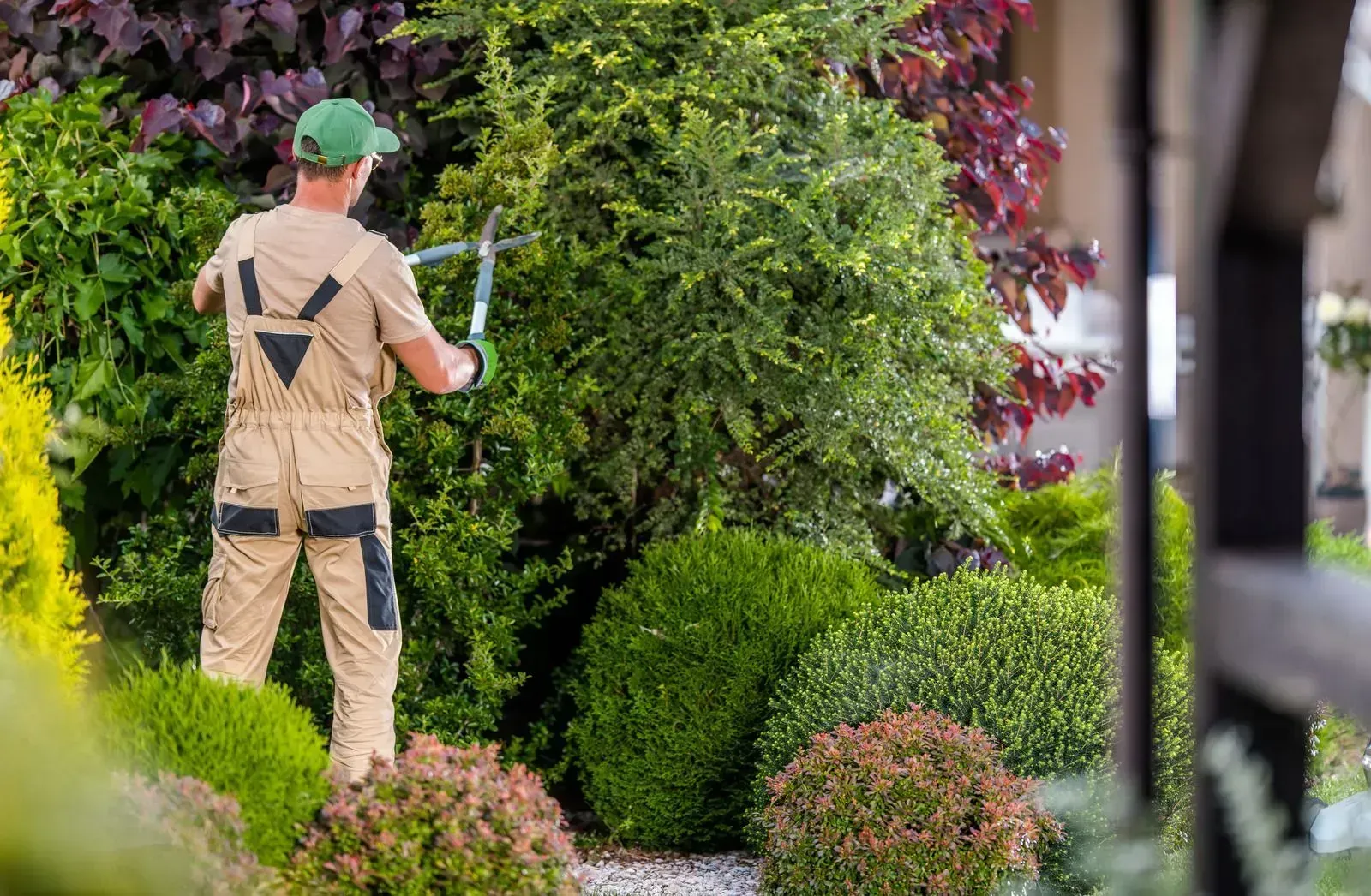
Person in tan workwear trimming bushes in a lush garden landscape.
12 November 2025
Professional tree trimming in Happy Valley, OR keeps your trees safe, healthy and attractive while protecting your home and landscape.
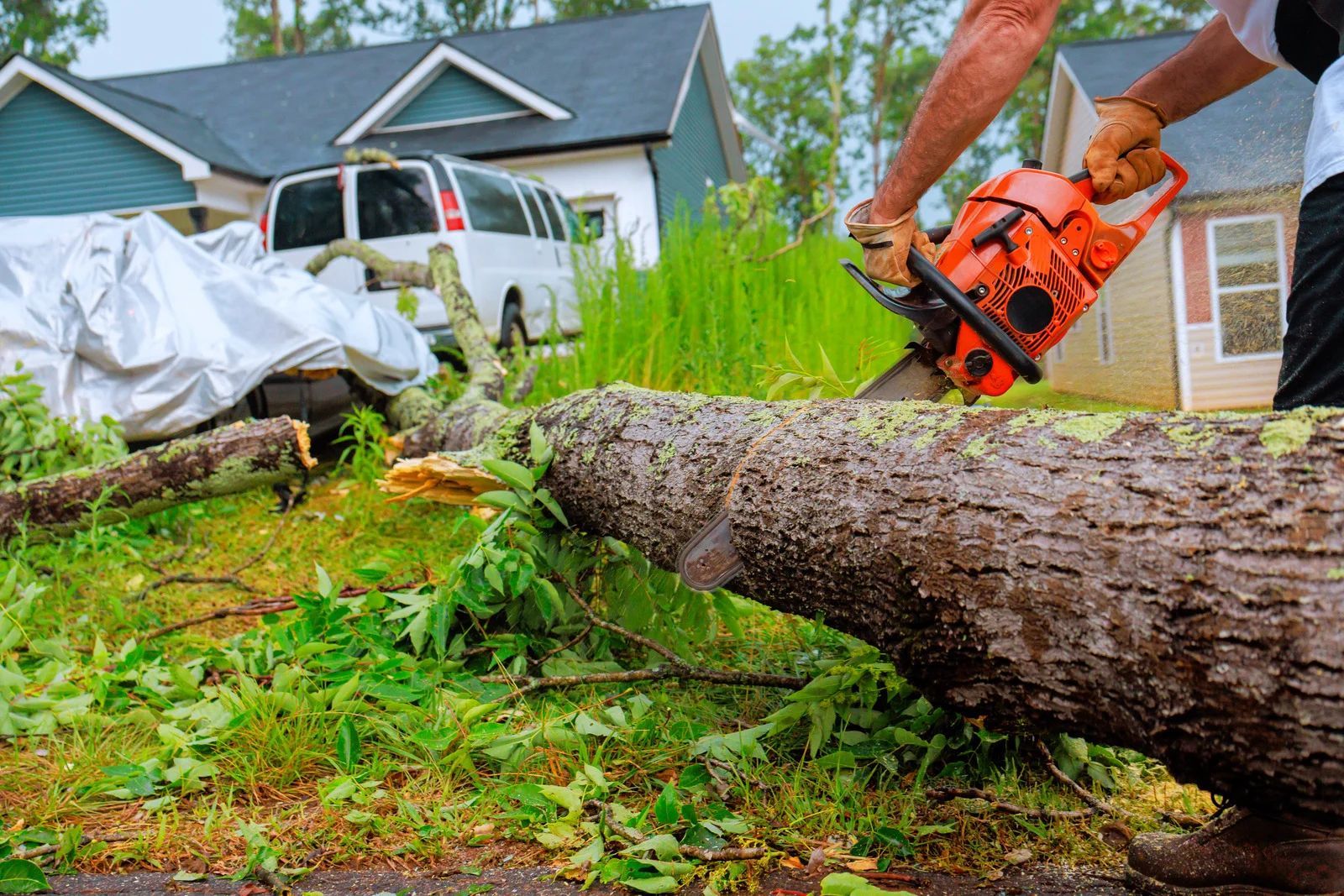
Chainsaw cutting a fallen tree trunk in a yard beside a house and work truck
8 October 2025
Learn the warning signs of a hazardous tree, from leaning trunks and dead limbs to root and fungus problems, and when removal is the safest choice.

Show More