
Native Trees That Thrive in Portland's Climate

18 August 2025

Portland, Oregon, is known for its lush green landscapes, mild temperatures, and ample rainfall, making it an ideal place for native trees to flourish. Choosing native species not only enhances the beauty of your yard but also supports local ecosystems, reduces maintenance, and ensures better adaptability to the regional climate.

Whether you're looking to increase shade, boost property value, or create a habitat for wildlife, planting native trees is a smart and sustainable decision.

Native trees are already adapted to Portland’s rainfall patterns, soil composition, and seasonal changes, which means they require less water and fewer fertilizers. They also play a vital role in supporting pollinators, birds, and beneficial insects. In urban settings, these trees can improve air quality, reduce stormwater runoff, and help combat the urban heat island effect.

From towering evergreens to vibrant maples, Portland’s native trees offer a variety of benefits while blending naturally with the environment. Let’s explore some of the most resilient and attractive native trees that thrive in Portland's unique climate.

Key Takeaways

  • Native trees are adapted to Portland’s rainfall, soil, and seasons, so they need less water and fewer fertilizers.
  • They support pollinators, birds, and beneficial insects, and help with air quality, stormwater runoff, and urban heat.
  • Options range from towering Douglas Firs for larger properties to Vine Maples for smaller yards.
  • Some natives, like the Pacific Dogwood, are more sensitive and need proper care and partial shade.

Seven Native Trees for Portland Yards

1. Douglas Fir (Pseudotsuga menziesii)

As Oregon’s state tree, the Douglas Fir is a staple in Portland landscapes. These towering evergreens grow quickly, provide year-round greenery, and are highly resilient to local weather conditions. They’re ideal for larger properties and make a bold statement in any yard.

2. Oregon White Oak (Quercus garryana)

This hardy oak species is native to the Willamette Valley and thrives in Portland's climate. Known for its spreading canopy and strong limbs, the Oregon White Oak offers excellent shade, fall color, and serves as a habitat for native birds and insects.

3. Western Red Cedar (Thuja plicata)

With its elegant, drooping branches and soft, aromatic needles, the Western Red Cedar is a favorite for privacy screens and natural windbreaks. It thrives in Portland's moist conditions and can live for centuries when properly cared for.

4. Bigleaf Maple (Acer macrophyllum)

If you're seeking brilliant fall foliage, the Bigleaf Maple is a top contender. It has the largest leaves of any maple in North America and provides excellent shade during hot summers. It prefers well-drained soils and does particularly well near water features.

5. Vine Maple (Acer circinatum)

Perfect for smaller yards or understory planting, Vine Maples are known for their graceful form and vibrant red-orange fall colors. These trees are highly adaptable and tolerant of Portland's wet winters and dry summers.

6. Pacific Dogwood (Cornus nuttallii)

A stunning ornamental option, the Pacific Dogwood blooms in spring with creamy white flowers and displays rich autumn colors. It’s a bit more sensitive than other natives but thrives with proper care and partial shade. Learn more in our guide to common tree diseases in the Pacific Northwest.

7. Red Alder (Alnus rubra)

Red Alder is a fast-growing, nitrogen-fixing tree that helps improve soil quality. Its smooth, light-gray bark and open canopy make it attractive for landscaping, especially along water features or in moist soils.

Quick Comparison

Native tree Best for Standout traits
Douglas Fir Larger properties Oregon’s state tree; grows quickly; year-round greenery
Oregon White Oak Shade and wildlife habitat Spreading canopy, strong limbs, fall color
Western Red Cedar Privacy screens and natural windbreaks Thrives in moist conditions; can live for centuries
Bigleaf Maple Fall foliage and summer shade Largest leaves of any maple in North America; prefers well-drained soils
Vine Maple Smaller yards and understory planting Red-orange fall color; tolerates wet winters and dry summers
Pacific Dogwood Ornamental spring blooms Creamy white flowers; needs proper care and partial shade
Red Alder Water features and moist soils Fast-growing and nitrogen-fixing; improves soil quality

Frequently Asked Questions

Why choose native trees in Portland?

Native trees are already adapted to Portland’s rainfall patterns, soil composition, and seasonal changes, so they require less water and fewer fertilizers. They also support pollinators, birds, and beneficial insects.

Which native tree works best in a small yard?

The Vine Maple is perfect for smaller yards or understory planting, and it tolerates Portland's wet winters and dry summers.

Which native trees do well near water or in moist soil?

The Bigleaf Maple does particularly well near water features, the Red Alder suits water features and moist soils, and the Western Red Cedar thrives in Portland's moist conditions.

What is a good native tree for privacy?

The Western Red Cedar is a favorite for privacy screens and natural windbreaks.

Trust the Tree Experts in Portland

Planting native trees is an investment in both your landscape and the environment. To ensure healthy growth, proper selection, and expert care, trust Aspen Tree Service, LLC. With 31 years of experience serving Portland, Oregon, we specialize in tree planting,trimming, and maintenance tailored to the Pacific Northwest climate.

Our deep understanding of native species ensures your trees thrive for generations. Whether you're designing a new outdoor space or improving an existing one, Aspen Tree Service, LLC is your go-to partner for dependable,expert tree care in Portland.

Need Expert Care for Your Native Trees?

Family owned for 31 years · Licensed, bonded & insured (CCB# 204268) · Free estimates · Senior & military discounts

Get a Free EstimateCall 503-477-4634

3. Western Red Cedar (Thuja plicata)

With its elegant, drooping branches and soft, aromatic needles, the Western Red Cedar is a favorite for privacy screens and natural windbreaks. It thrives in Portland's moist conditions and can live for centuries when properly cared for.

4. Bigleaf Maple (Acer macrophyllum)

If you're seeking brilliant fall foliage, the Bigleaf Maple is a top contender. It has the largest leaves of any maple in North America and provides excellent shade during hot summers. It prefers well-drained soils and does particularly well near water features.

5. Vine Maple (Acer circinatum)

Perfect for smaller yards or understory planting, Vine Maples are known for their graceful form and vibrant red-orange fall colors. These trees are highly adaptable and tolerant of Portland's wet winters and dry summers.

6. Pacific Dogwood (Cornus nuttallii)

A stunning ornamental option, the Pacific Dogwood blooms in spring with creamy white flowers and displays rich autumn colors. It’s a bit more sensitive than other natives but thrives with proper care and partial shade.

7. Red Alder (Alnus rubra)

Red Alder is a fast-growing, nitrogen-fixing tree that helps improve soil quality. Its smooth, light-gray bark and open canopy make it attractive for landscaping, especially along water features or in moist soils.

Trust the Tree Experts in Portland

Planting native trees is an investment in both your landscape and the environment. To ensure healthy growth, proper selection, and expert care, trust  Aspen Tree Service, LLC . With   28  years of experience serving  Portland, Oregon  , we specialize in tree planting, trimming, and maintenance tailored to the Pacific Northwest climate. Our deep understanding of native species ensures your trees thrive for generations. Whether you're designing a new outdoor space or improving an existing one,   Aspen Tree Service, LLC  is your go-to partner for dependable, expert tree care in Portland.

Portland, Oregon, is known for its lush green landscapes, mild temperatures, and ample rainfall, making it an ideal place for native trees to flourish. Choosing native species not only enhances the beauty of your yard but also supports local ecosystems, reduces maintenance, and ensures better adaptability to the regional climate.

Whether you're looking to increase shade, boost property value, or create a habitat for wildlife, planting native trees is a smart and sustainable decision.

Native trees are already adapted to Portland’s rainfall patterns, soil composition, and seasonal changes, which means they require less water and fewer fertilizers. They also play a vital role in supporting pollinators, birds, and beneficial insects. In urban settings, these trees can improve air quality, reduce stormwater runoff, and help combat the urban heat island effect.

From towering evergreens to vibrant maples, Portland’s native trees offer a variety of benefits while blending naturally with the environment. Let’s explore some of the most resilient and attractive native trees that thrive in Portland's unique climate.

Key Takeaways

  • Native trees are adapted to Portland’s rainfall, soil, and seasons, so they need less water and fewer fertilizers.
  • They support pollinators, birds, and beneficial insects, and help with air quality, stormwater runoff, and urban heat.
  • Options range from towering Douglas Firs for larger properties to Vine Maples for smaller yards.
  • Some natives, like the Pacific Dogwood, are more sensitive and need proper care and partial shade.

Seven Native Trees for Portland Yards

1. Douglas Fir (Pseudotsuga menziesii)

As Oregon’s state tree, the Douglas Fir is a staple in Portland landscapes. These towering evergreens grow quickly, provide year-round greenery, and are highly resilient to local weather conditions. They’re ideal for larger properties and make a bold statement in any yard.

2. Oregon White Oak (Quercus garryana)

This hardy oak species is native to the Willamette Valley and thrives in Portland's climate. Known for its spreading canopy and strong limbs, the Oregon White Oak offers excellent shade, fall color, and serves as a habitat for native birds and insects.

3. Western Red Cedar (Thuja plicata)

With its elegant, drooping branches and soft, aromatic needles, the Western Red Cedar is a favorite for privacy screens and natural windbreaks. It thrives in Portland's moist conditions and can live for centuries when properly cared for.

4. Bigleaf Maple (Acer macrophyllum)

If you're seeking brilliant fall foliage, the Bigleaf Maple is a top contender. It has the largest leaves of any maple in North America and provides excellent shade during hot summers. It prefers well-drained soils and does particularly well near water features.

5. Vine Maple (Acer circinatum)

Perfect for smaller yards or understory planting, Vine Maples are known for their graceful form and vibrant red-orange fall colors. These trees are highly adaptable and tolerant of Portland's wet winters and dry summers.

6. Pacific Dogwood (Cornus nuttallii)

A stunning ornamental option, the Pacific Dogwood blooms in spring with creamy white flowers and displays rich autumn colors. It’s a bit more sensitive than other natives but thrives with proper care and partial shade. Learn more in our guide to common tree diseases in the Pacific Northwest.

7. Red Alder (Alnus rubra)

Red Alder is a fast-growing, nitrogen-fixing tree that helps improve soil quality. Its smooth, light-gray bark and open canopy make it attractive for landscaping, especially along water features or in moist soils.

Quick Comparison

Native tree Best for Standout traits
Douglas Fir Larger properties Oregon’s state tree; grows quickly; year-round greenery
Oregon White Oak Shade and wildlife habitat Spreading canopy, strong limbs, fall color
Western Red Cedar Privacy screens and natural windbreaks Thrives in moist conditions; can live for centuries
Bigleaf Maple Fall foliage and summer shade Largest leaves of any maple in North America; prefers well-drained soils
Vine Maple Smaller yards and understory planting Red-orange fall color; tolerates wet winters and dry summers
Pacific Dogwood Ornamental spring blooms Creamy white flowers; needs proper care and partial shade
Red Alder Water features and moist soils Fast-growing and nitrogen-fixing; improves soil quality

Frequently Asked Questions

Why choose native trees in Portland?

Native trees are already adapted to Portland’s rainfall patterns, soil composition, and seasonal changes, so they require less water and fewer fertilizers. They also support pollinators, birds, and beneficial insects.

Which native tree works best in a small yard?

The Vine Maple is perfect for smaller yards or understory planting, and it tolerates Portland's wet winters and dry summers.

Which native trees do well near water or in moist soil?

The Bigleaf Maple does particularly well near water features, the Red Alder suits water features and moist soils, and the Western Red Cedar thrives in Portland's moist conditions.

What is a good native tree for privacy?

The Western Red Cedar is a favorite for privacy screens and natural windbreaks.

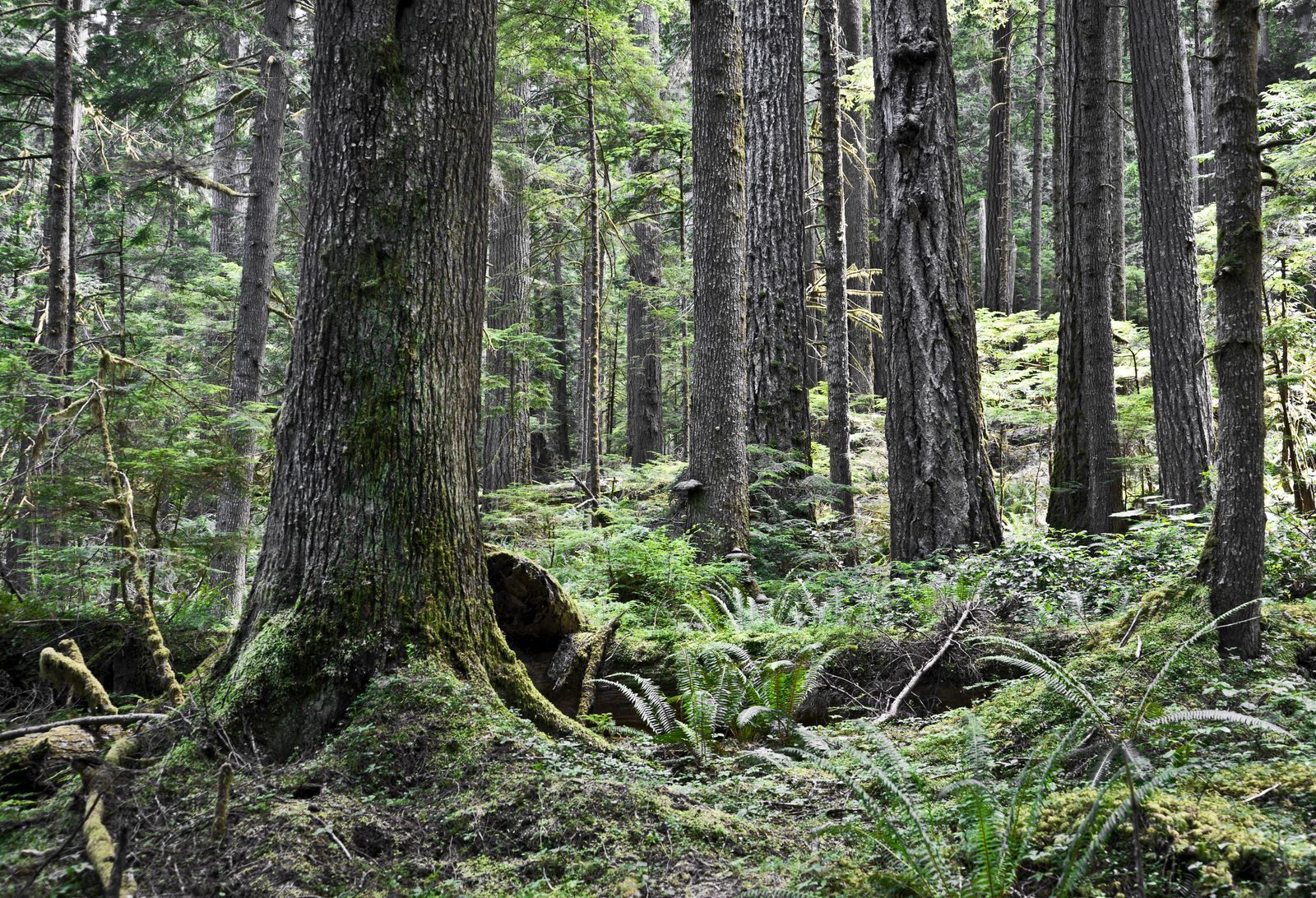
Pacific Northwest conifer forest with native evergreen trees and ferns

Trust the Tree Experts in Portland

Planting native trees is an investment in both your landscape and the environment. To ensure healthy growth, proper selection, and expert care, trust Aspen Tree Service, LLC. With 31 years of experience serving Portland, Oregon, we specialize in tree planting, trimming, and maintenance tailored to the Pacific Northwest climate.

Our deep understanding of native species ensures your trees thrive for generations. Whether you're designing a new outdoor space or improving an existing one, Aspen Tree Service, LLC is your go-to partner for dependable, expert tree care in Portland.

Need Expert Care for Your Native Trees?

Family owned for 31 years · Licensed, bonded & insured (CCB# 204268) · Free estimates · Senior & military discounts

Recent Posts

Tree branches over a white house roof with a green trim against a bright sky
14 April 2026
Overgrown tree branches can damage roofs, siding, gutters, power lines and landscaping. Learn the warning signs and when to call a Portland tree service.
Gardener in tan uniform trimming a large green hedge in a landscaped garden
18 March 2026
Regular tree trimming strengthens structure, prevents disease and pests, and improves light and nutrient flow. Learn best practices for healthier trees.
Worker in a green hard hat operating a chainsaw from a bucket lift beside a tree trunk
9 February 2026
When tree removal is necessary in Portland, how professionals do it safely, and what to expect from assessment through cleanup and stump grinding.
Tree trunk growing through cracked sidewalk by a curb
8 January 2026
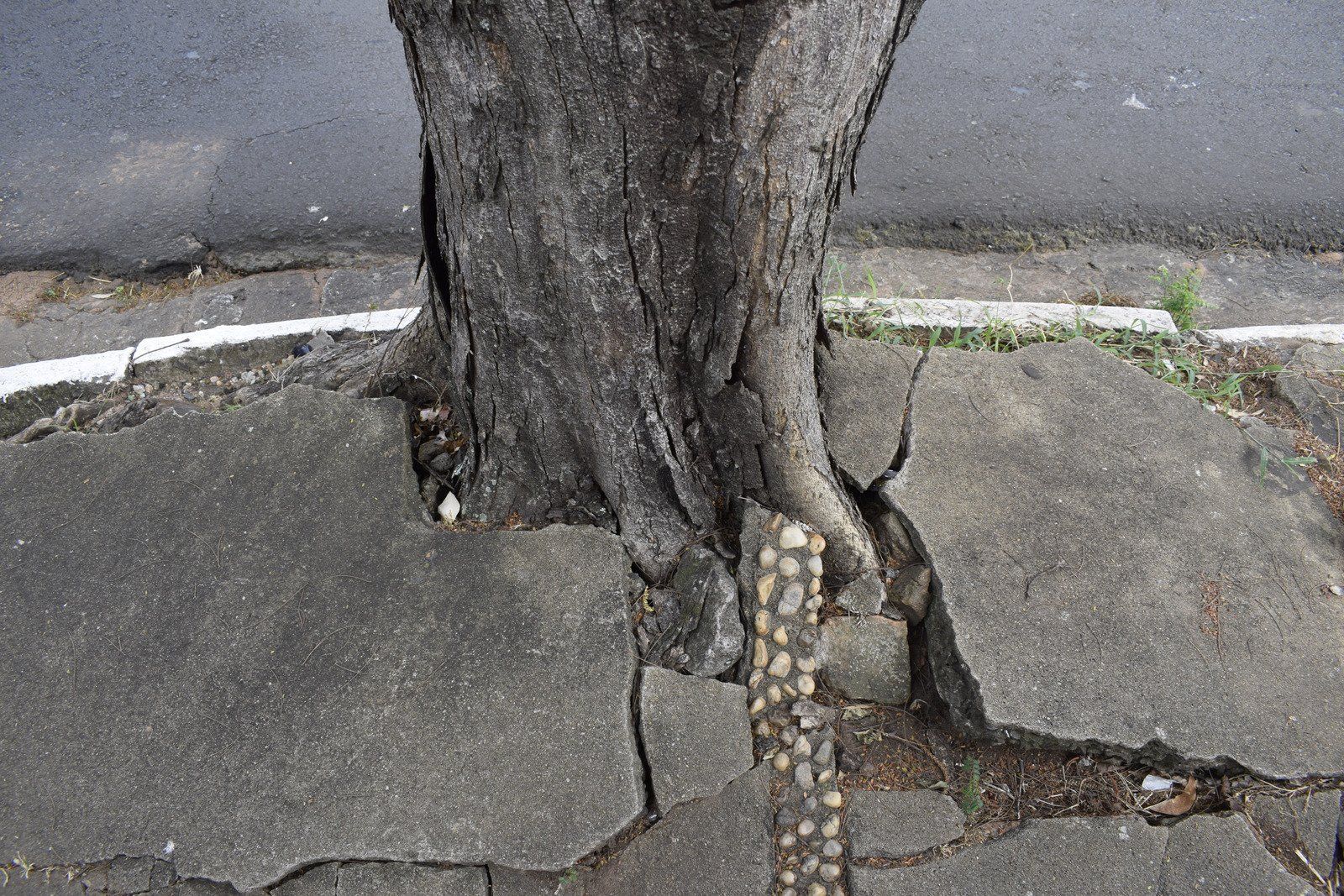
How tree roots lift sidewalks and damage foundations in Portland neighborhoods, the warning signs to watch for, and practical ways to prevent damage.
Pile of branches and leaves in a pine forest with tall straight trunks.
2 January 2026
Tree thinning in Happy Valley, OR removes unwanted branches to let in light, reduce wind load and help trees grow stronger and safer over time.
Yellow wood chipper blowing mulch onto the ground beside a tree and brush pile.
19 December 2025
Compare stump grinding and full stump removal for Portland yards: cost, time, yard impact and replanting, so you can choose the right option.
Gloved person pruning vine branches with orange-handled loppers in a vineyard
1 December 2025
Tree pruning in Happy Valley, OR removes dead, decayed and overgrown branches so your trees grow stronger, safer and healthier year-round.
Worker in orange safety gear using a chainsaw to cut a tree trunk in a forest.
13 November 2025
What Portland homeowners need to know about tree removal permits, Urban Forestry rules, inspections and replanting requirements before cutting.
Person in tan workwear trimming bushes in a lush garden landscape.
12 November 2025
Professional tree trimming in Happy Valley, OR keeps your trees safe, healthy and attractive while protecting your home and landscape.
Chainsaw cutting a fallen tree trunk in a yard beside a house and work truck
8 October 2025
Learn the warning signs of a hazardous tree, from leaning trunks and dead limbs to root and fungus problems, and when removal is the safest choice.

Show More