
When is the Best Time for Tree Pruning in Portland, OR?

30 April 2025

Pruning is an essential practice for maintaining healthy trees and promoting growth. In Portland, OR, understanding when to prune your trees is important due to the region's unique climate and diverse tree species.

This seasonal guide will help you determine the best times for tree pruning throughout the year in Portland.

Key Takeaways

  • Early spring, just before new buds break, is the optimal time to prune many deciduous trees such as oaks, maples, and fruit trees.
  • Flowering trees like magnolias and cherries should be pruned only after they have finished blooming.
  • Summer is for light maintenance and shaping, not heavy cuts.
  • Fall pruning removes dead, diseased, or damaged branches before winter, but should be finished before the cold sets in.
  • Winter dormant pruning, ideally between late November and early February, minimizes pests, diseases, and sap loss.

Spring: The Ideal Time for Most Trees

Spring is often the best time to prune many types of trees, especially deciduous species. As temperatures warm and trees emerge from dormancy, early spring, just before new buds break, is the optimal time for pruning. Pruning during this period encourages healthy growth and minimizes pest and disease problems later in the year. Trees such as oaks, maples, and fruit trees benefit from early spring pruning.

Pro Tip

However, flowering trees like magnolias and cherries require a different approach. These trees bloom on old wood, meaning early pruning can remove buds and result in fewer flowers. It’s best to wait until these trees have finished blooming before pruning them.

Summer: Light Maintenance and Shaping

While summer is not typically ideal for heavy pruning, it is a good time for light maintenance and shaping. If branches are obstructing pathways or causing issues with other plants, summer is a suitable time for minor trimming. During this time, trees are fully leafed out, making it easier to see their structure.

Summer pruning can also be used to remove water sprouts and suckers that have developed. However, avoid heavy pruning in the hot summer months, as this can stress the tree. Summer should focus on light trimming and minor adjustments rather than significant cuts.

Fall: Preparing for Winter Dormancy

Fall is another favorable time for pruning, especially as trees enter dormancy. This is a great opportunity to remove dead, diseased, or damaged branches before winter weather arrives. Pruning these branches in late fall helps prevent further damage during winter storms. Trees like birch, beech, and elm should be pruned during this time.

Timing Note

However, be cautious not to prune too late in the fall. Late-season pruning can encourage new growth, which early frosts could damage. Ensure that your pruning is completed before the cold temperatures set in.

Winter: Dormant Pruning for Structural Health

Winter is the most effective time for pruning many deciduous trees, especially fruit trees and oaks. When trees are dormant and their leaves have fallen, it’s easier to assess their structure and make clean, precise cuts. Winter pruning, ideally between late November and early February, minimizes the risk of pests and diseases that are more active during the warmer months.

Pruning in winter allows the tree to recover slowly and conserve its energy for the upcoming growing season. It also minimizes sap loss, which can occur when pruning during active growth periods.

Portland Pruning Calendar at a Glance

Season Best For Keep in Mind
Early spring (before buds break) Most deciduous trees, such as oaks, maples, and fruit trees; evergreens like pines and firs Wait until magnolias, cherries, and other flowering trees finish blooming
Summer Light maintenance and shaping; removing water sprouts and suckers Avoid heavy pruning in the hot months, as it can stress the tree
Fall Removing dead, diseased, or damaged branches; birch, beech, and elm Finish before cold temperatures set in so new growth isn't damaged by early frosts
Winter (late November – early February) Dormant pruning of deciduous trees, especially fruit trees and oaks Minimizes pests, diseases, and sap loss

Tree Species and Special Considerations

Different tree species may require specific pruning care. Evergreen trees, such as pines and firs, are best pruned in late winter or early spring before new growth begins. Fast-growing trees like willows and birches may need more frequent pruning throughout the year to keep them healthy.

Frequently Asked Questions

When is the best time to prune most trees in Portland?

For many deciduous trees, early spring just before new buds break is optimal. Winter dormant pruning, ideally between late November and early February, is also very effective, especially for fruit trees and oaks.

Should flowering trees like magnolias and cherries be pruned in early spring?

No. These trees bloom on old wood, so early pruning can remove buds and result in fewer flowers. It's best to wait until they have finished blooming.

Can I prune my trees in summer?

Summer is suitable for light maintenance, shaping, and removing water sprouts and suckers. Avoid heavy pruning in the hot summer months, as this can stress the tree.

When should evergreens be pruned?

Evergreen trees, such as pines and firs, are best pruned in late winter or early spring before new growth begins.

Keep Your Trees Healthy Year-Round

Knowing when to prune your trees ensures they stay healthy and vibrant. By following these seasonal guidelines, you can optimize your tree care throughout the year. For expert pruning and tree care services, Aspen Tree Service, LLC is here to help. With 31 years of experience in the tree care industry, we proudly serve Portland, OR. Contact us today for professionaltree pruningservicesand let us take care of your trees.

Ready to Schedule Tree Pruning in Portland?

Family owned for 31 years · Licensed, bonded & insured (CCB# 204268) · Free estimates · Senior & military discounts

Get a Free EstimateCall 503-477-4634

Tree Species and Special Considerations

Different tree species may require specific pruning care. Evergreen trees, such as pines and firs, are best pruned in late winter or early spring before new growth begins. Fast-growing trees like willows and birches may need more frequent pruning throughout the year to keep them healthy.
Knowing when to prune your trees ensures they stay healthy and vibrant. By following these seasonal guidelines, you can optimize your tree care throughout the year. For expert pruning and tree care services,   Aspen Tree Service, LLC  is here to help. With   28  years of experience in the tree care industry, we proudly serve Portland, OR. Contact us today for professional tree pruning services and let us take care of your trees.

Pruning is an essential practice for maintaining healthy trees and promoting growth. In Portland, OR, understanding when to prune your trees is important due to the region's unique climate and diverse tree species.

This seasonal guide will help you determine the best times for tree pruning throughout the year in Portland.

Key Takeaways

  • Early spring, just before new buds break, is the optimal time to prune many deciduous trees such as oaks, maples, and fruit trees.
  • Flowering trees like magnolias and cherries should be pruned only after they have finished blooming.
  • Summer is for light maintenance and shaping, not heavy cuts.
  • Fall pruning removes dead, diseased, or damaged branches before winter, but should be finished before the cold sets in.
  • Winter dormant pruning, ideally between late November and early February, minimizes pests, diseases, and sap loss.

Spring: The Ideal Time for Most Trees

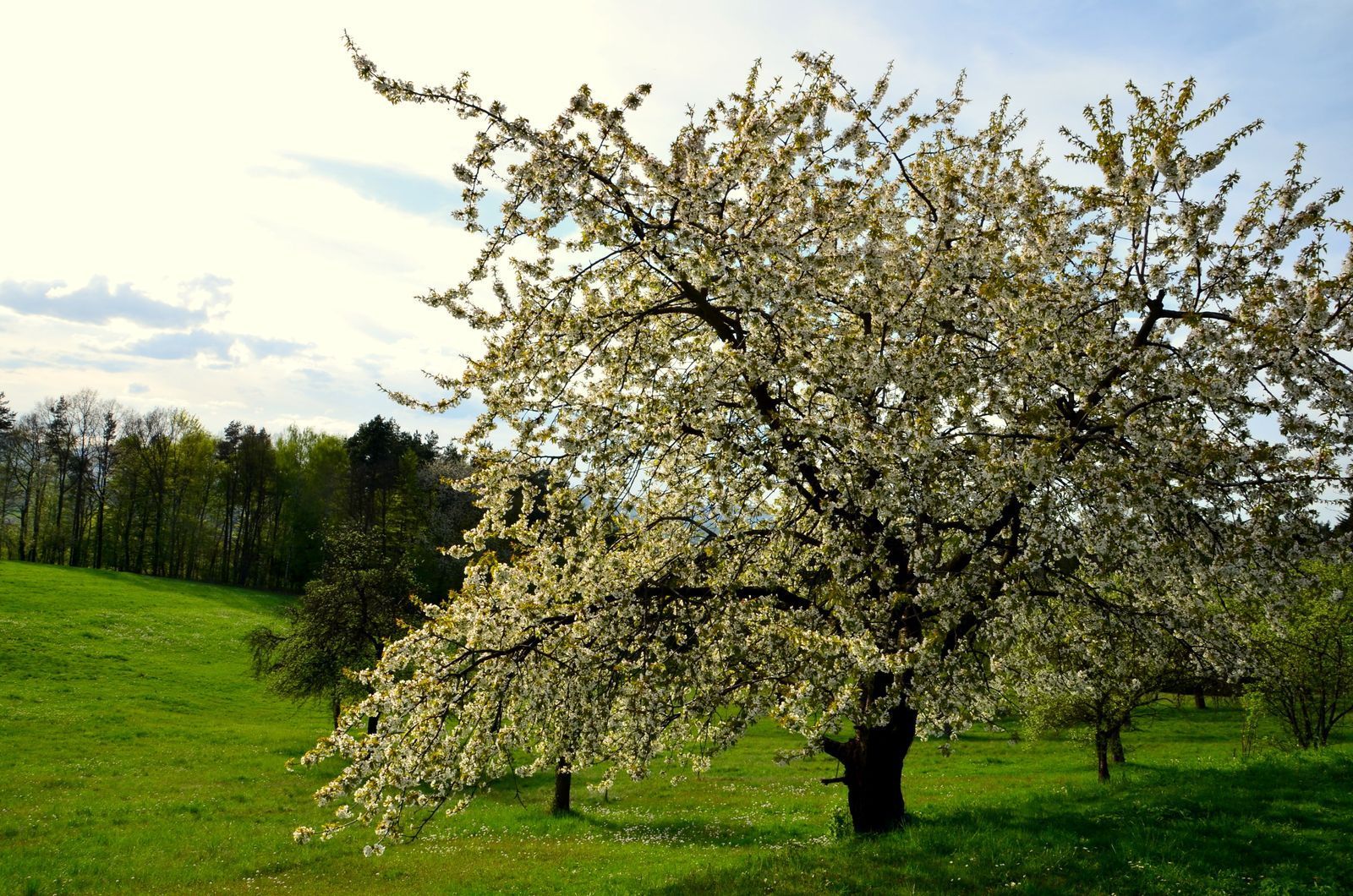
Spring is often the best time to prune many types of trees, especially deciduous species. As temperatures warm and trees emerge from dormancy, early spring, just before new buds break, is the optimal time for pruning. Pruning during this period encourages healthy growth and minimizes pest and disease problems later in the year. Trees such as oaks, maples, and fruit trees benefit from early spring pruning.

Pro Tip

However, flowering trees like magnolias and cherries require a different approach. These trees bloom on old wood, meaning early pruning can remove buds and result in fewer flowers. It’s best to wait until these trees have finished blooming before pruning them.

Tree in full spring blossom in a green field

Summer: Light Maintenance and Shaping

While summer is not typically ideal for heavy pruning, it is a good time for light maintenance and shaping. If branches are obstructing pathways or causing issues with other plants, summer is a suitable time for minor trimming. During this time, trees are fully leafed out, making it easier to see their structure.

Summer pruning can also be used to remove water sprouts and suckers that have developed. However, avoid heavy pruning in the hot summer months, as this can stress the tree. Summer should focus on light trimming and minor adjustments rather than significant cuts.

Fall: Preparing for Winter Dormancy

Fall is another favorable time for pruning, especially as trees enter dormancy. This is a great opportunity to remove dead, diseased, or damaged branches before winter weather arrives. Pruning these branches in late fall helps prevent further damage during winter storms. Trees like birch, beech, and elm should be pruned during this time.

Timing Note

However, be cautious not to prune too late in the fall. Late-season pruning can encourage new growth, which early frosts could damage. Ensure that your pruning is completed before the cold temperatures set in.

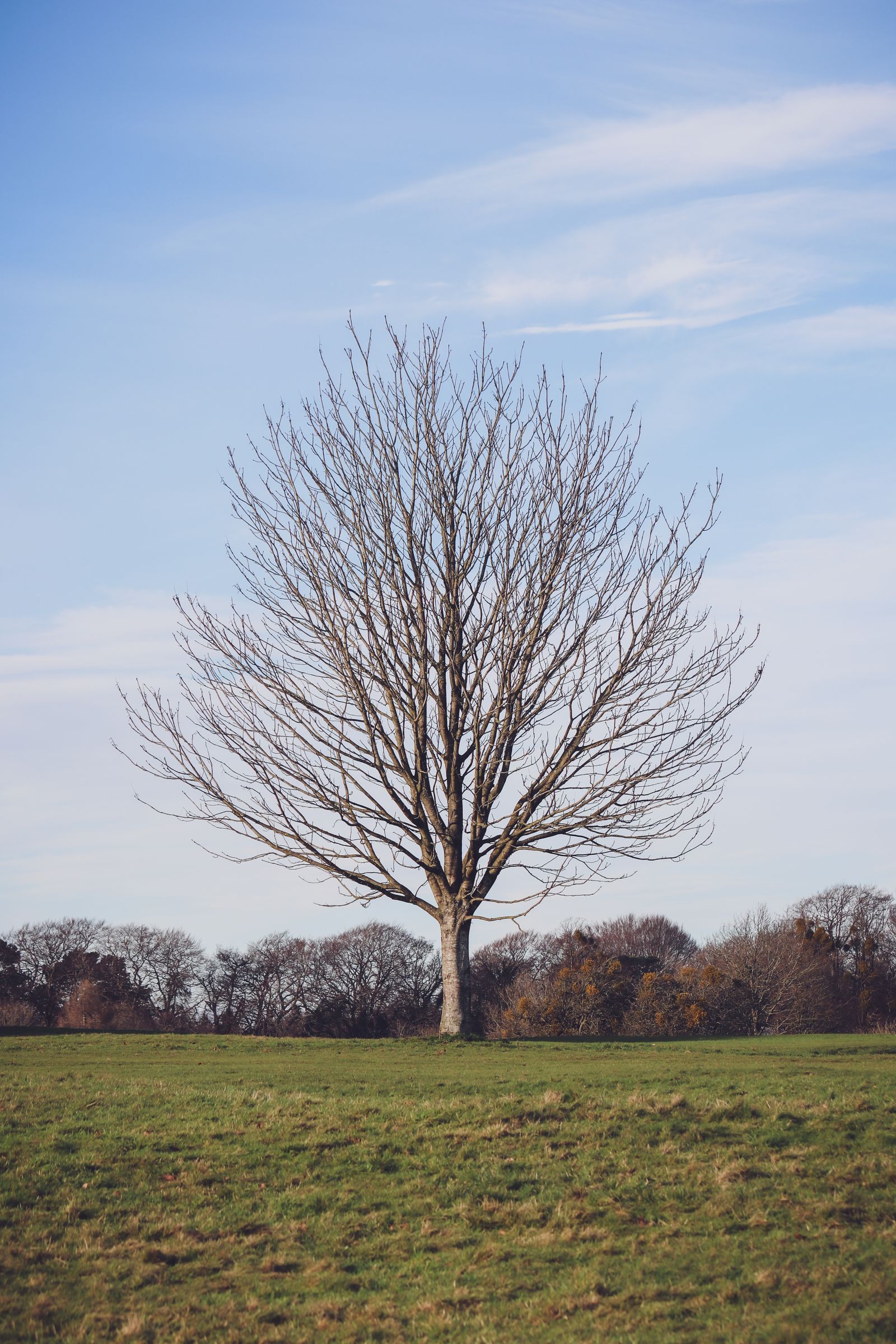
Dormant bare deciduous tree in winter, ideal for structural pruning

Winter: Dormant Pruning for Structural Health

Winter is the most effective time for pruning many deciduous trees, especially fruit trees and oaks. When trees are dormant and their leaves have fallen, it’s easier to assess their structure and make clean, precise cuts. Winter pruning, ideally between late November and early February, minimizes the risk of pests and diseases that are more active during the warmer months.

Pruning in winter allows the tree to recover slowly and conserve its energy for the upcoming growing season. It also minimizes sap loss, which can occur when pruning during active growth periods.

Portland Pruning Calendar at a Glance

Season Best For Keep in Mind
Early spring (before buds break) Most deciduous trees, such as oaks, maples, and fruit trees; evergreens like pines and firs Wait until magnolias, cherries, and other flowering trees finish blooming
Summer Light maintenance and shaping; removing water sprouts and suckers Avoid heavy pruning in the hot months, as it can stress the tree
Fall Removing dead, diseased, or damaged branches; birch, beech, and elm Finish before cold temperatures set in so new growth isn't damaged by early frosts
Winter (late November – early February) Dormant pruning of deciduous trees, especially fruit trees and oaks Minimizes pests, diseases, and sap loss

Tree Species and Special Considerations

Different tree species may require specific pruning care. Evergreen trees, such as pines and firs, are best pruned in late winter or early spring before new growth begins. Fast-growing trees like willows and birches may need more frequent pruning throughout the year to keep them healthy.

Frequently Asked Questions

When is the best time to prune most trees in Portland?

For many deciduous trees, early spring just before new buds break is optimal. Winter dormant pruning, ideally between late November and early February, is also very effective, especially for fruit trees and oaks.

Should flowering trees like magnolias and cherries be pruned in early spring?

No. These trees bloom on old wood, so early pruning can remove buds and result in fewer flowers. It's best to wait until they have finished blooming.

Can I prune my trees in summer?

Summer is suitable for light maintenance, shaping, and removing water sprouts and suckers. Avoid heavy pruning in the hot summer months, as this can stress the tree.

When should evergreens be pruned?

Evergreen trees, such as pines and firs, are best pruned in late winter or early spring before new growth begins.

Keep Your Trees Healthy Year-Round

Knowing when to prune your trees ensures they stay healthy and vibrant. By following these seasonal guidelines, you can optimize your tree care throughout the year. For expert pruning and tree care services, Aspen Tree Service, LLC is here to help. With 31 years of experience in the tree care industry, we proudly serve Portland, OR. Contact us today for professional tree pruning services and let us take care of your trees.

Ready to Schedule Tree Pruning in Portland?

Family owned for 31 years · Licensed, bonded & insured (CCB# 204268) · Free estimates · Senior & military discounts

Recent Posts

Tree branches over a white house roof with a green trim against a bright sky
14 April 2026
Overgrown tree branches can damage roofs, siding, gutters, power lines and landscaping. Learn the warning signs and when to call a Portland tree service.
Gardener in tan uniform trimming a large green hedge in a landscaped garden
18 March 2026
Regular tree trimming strengthens structure, prevents disease and pests, and improves light and nutrient flow. Learn best practices for healthier trees.
Worker in a green hard hat operating a chainsaw from a bucket lift beside a tree trunk
9 February 2026
When tree removal is necessary in Portland, how professionals do it safely, and what to expect from assessment through cleanup and stump grinding.
Tree trunk growing through cracked sidewalk by a curb
8 January 2026
How tree roots lift sidewalks and damage foundations in Portland neighborhoods, the warning signs to watch for, and practical ways to prevent damage.
Pile of branches and leaves in a pine forest with tall straight trunks.
2 January 2026
Tree thinning in Happy Valley, OR removes unwanted branches to let in light, reduce wind load and help trees grow stronger and safer over time.
Yellow wood chipper blowing mulch onto the ground beside a tree and brush pile.
19 December 2025
Compare stump grinding and full stump removal for Portland yards: cost, time, yard impact and replanting, so you can choose the right option.
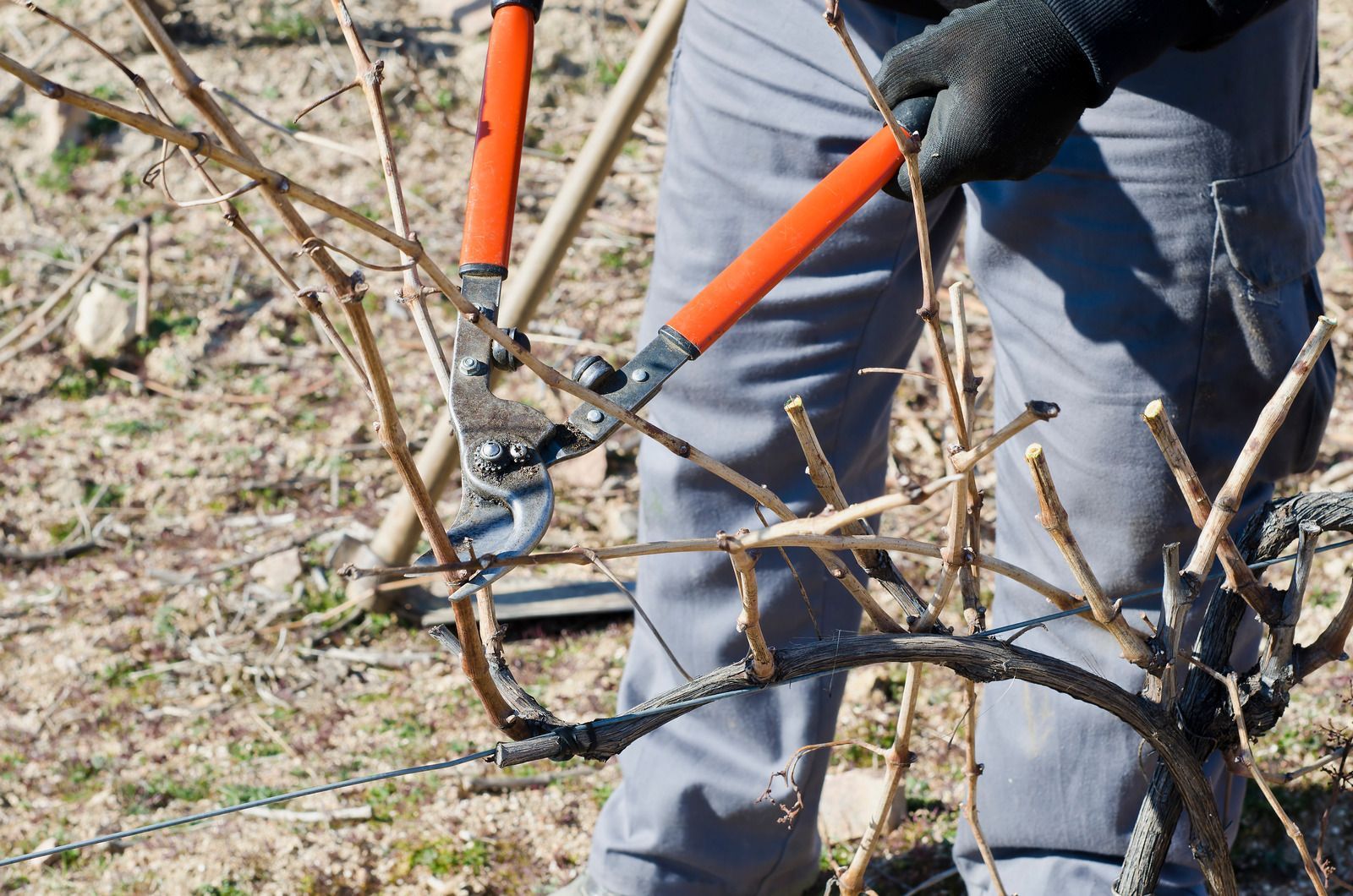
Gloved person pruning vine branches with orange-handled loppers in a vineyard
1 December 2025
Tree pruning in Happy Valley, OR removes dead, decayed and overgrown branches so your trees grow stronger, safer and healthier year-round.
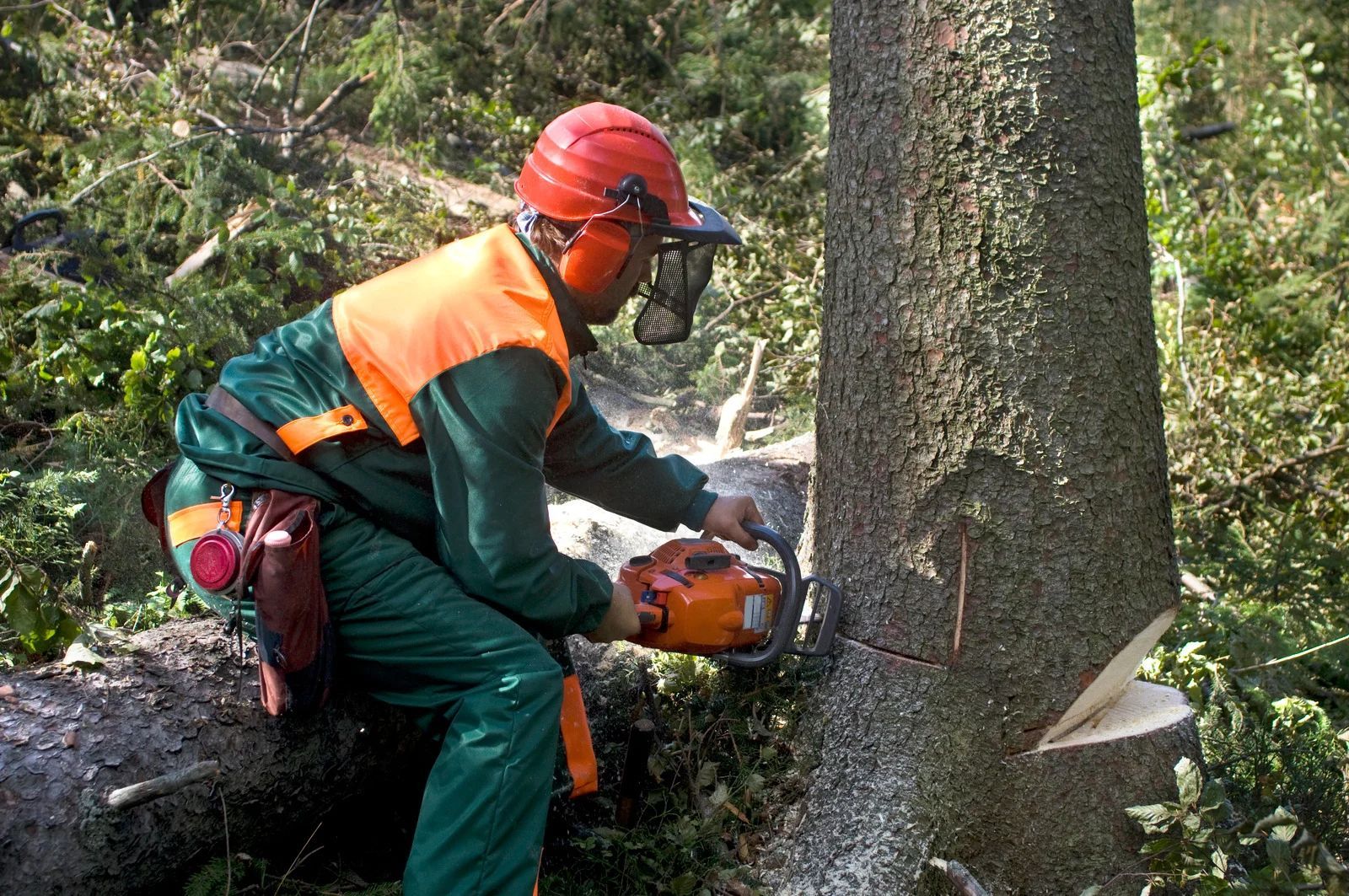
Worker in orange safety gear using a chainsaw to cut a tree trunk in a forest.
13 November 2025
What Portland homeowners need to know about tree removal permits, Urban Forestry rules, inspections and replanting requirements before cutting.
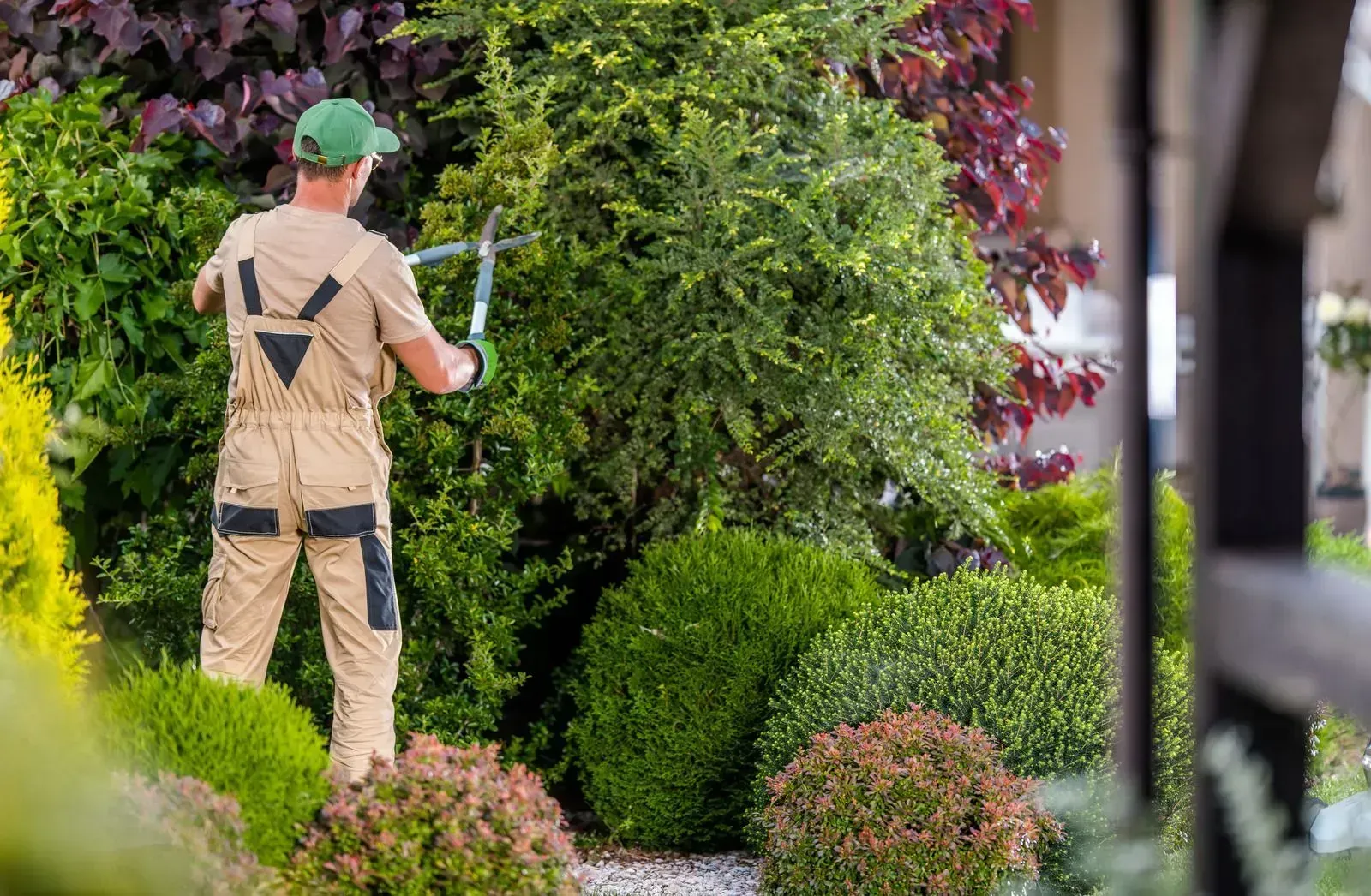
Person in tan workwear trimming bushes in a lush garden landscape.
12 November 2025
Professional tree trimming in Happy Valley, OR keeps your trees safe, healthy and attractive while protecting your home and landscape.
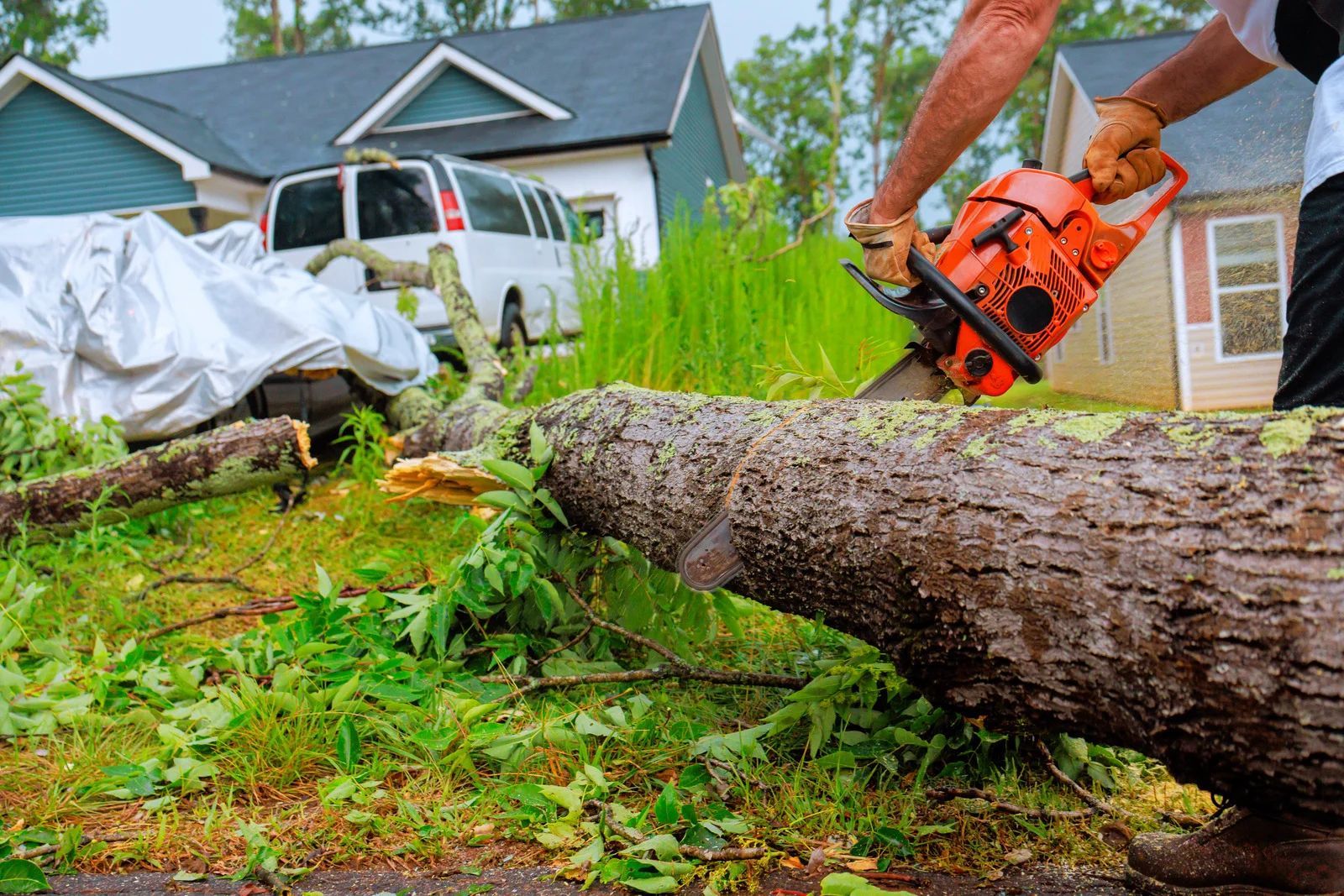
Chainsaw cutting a fallen tree trunk in a yard beside a house and work truck
8 October 2025
Learn the warning signs of a hazardous tree, from leaning trunks and dead limbs to root and fungus problems, and when removal is the safest choice.

Show More